
Ingredients and formulation
Fermented and bioprocessed ingredients: designing an application trial
Assess bioprocessed cereals, brans, pulses and co-products: objectives, control samples, safety, flavour and validation in bread and snacks.
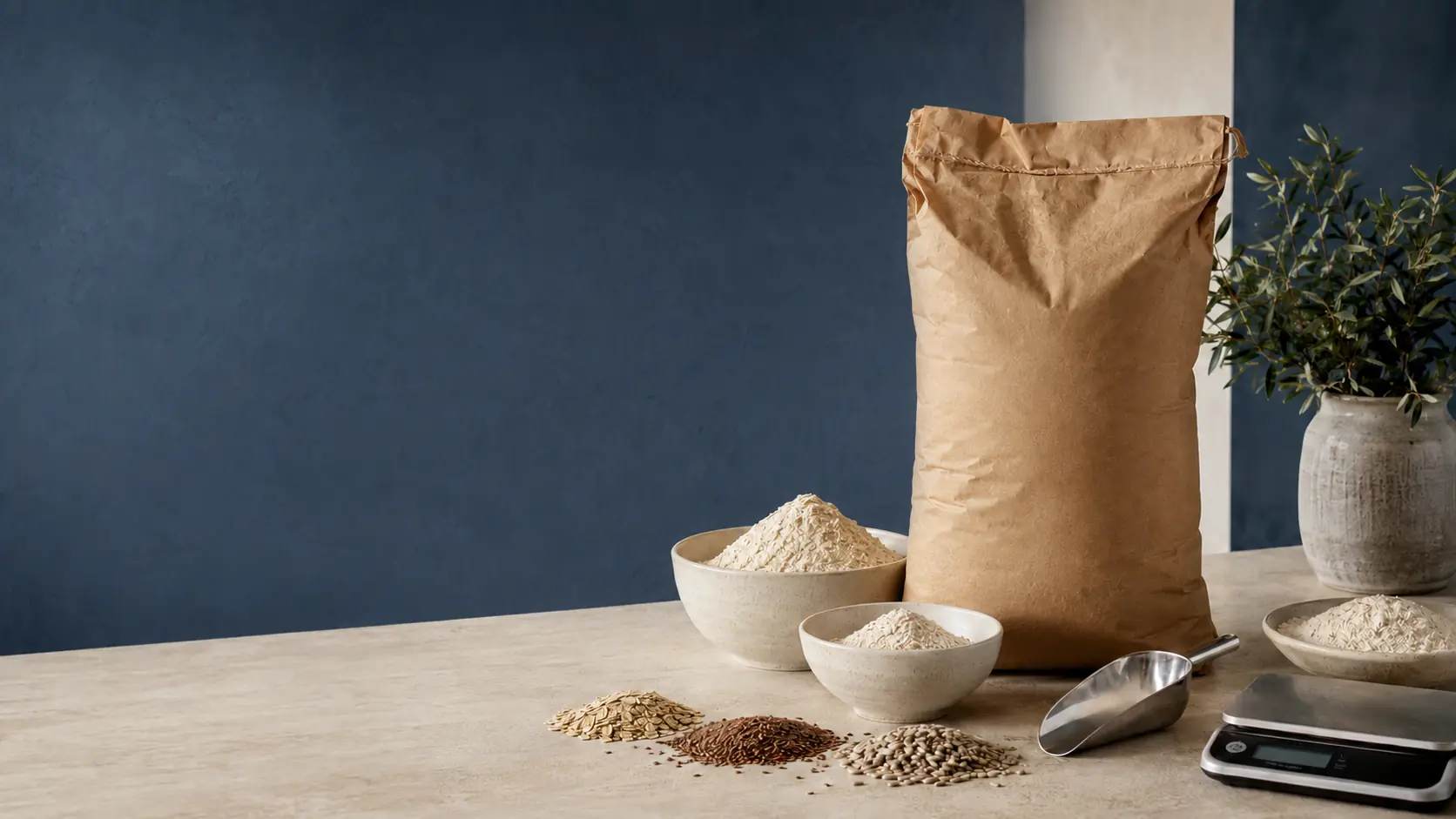
Fermenting an ingredient before incorporating it into bread is a different process from fermenting the final dough. It can be studied in cereals, brans or pulses to modify specific properties. Results depend on the raw material, microorganism, treatment and process: the word “fermented” does not imply a universal improvement.
Defining what is intended to change
The target can be taste, smell, interaction with water or dough behaviour. Choose a main one and set how to measure it. If the ingredient changes several properties, it also records unwanted effects and stabilization cost.
An experimental study of extruded and fermented bran assessed changes in bread quality and volatile compounds under specific conditions. It supports a research possibility, not the performance of every treatment or a universal recipe.
A comparison with clear controls
| Sample | What can be observed |
|---|---|
| Reference product | Current performance |
| Ingredient untreated | Effect of incorporation |
| Ingredient treated | Difference attributable to treatment, with its limits |
| Product stored | Result persistence and stability |
If you change fermentation, drying and particle size simultaneously, do not attribute the whole effect to a single step. Identify the differences and compare them under reproducible conditions.
Safety and documentation before scale-up
Fermentative treatment does not guarantee the elimination of hazards or allergens. Microorganisms, identity, controls and storage conditions of the ingredient and food should be reviewed. If the process or ingredient requires evaluation as a new food, it must be resolved before marketing.
Fermented also does not automatically amount to probiotic. The presence of microorganisms, their viability after baking and the necessary evidence are different issues. It avoids transferring benefits from the process to a health claim with no specific basis.
Criteria for R&D
A test with controls
- ObjectiveProperty that you want to change
- ControlUntreated Reference and ingredient
- ApplicationResult in bread or snack
- ValidationSecurity and stability
Decision scheme; does not represent experimental results of a Mali Fibras Granados formulation.
Three areas of application
For bran, investigate effects on flavour and dough performance. For pulses, compare the sensory profile and function after treatment. For food co-products, assess whether bioprocessing improves an application already considered legal and safe; it cannot be used to assume an unknown material stream is suitable.
The guide to co-products helps determine whether a viable ingredient exists before starting the bakery project.
narrowing down what part of the project is being evaluated
Distinguish the development of the bioprocessed ingredient from its subsequent incorporation into a bread or snack. These are related tasks, but not equivalent.
| Before formulation | In the baker's application |
|---|---|
| Identity of raw material and treatment | Test dose agreed with the supplier |
| Specification and suitability for food use | Water, structure and process behaviour |
| Stability and conservation | Flavour, texture and food shelf life |
| Evidence of the proposed function | Comparison with untreated ingredient or reference |
Work with Mali Fibras Granados can focus on integrating a characterised ingredient into a bakery application. This does not imply in-house industrial fermentation capacity or that every treatment improves the product.
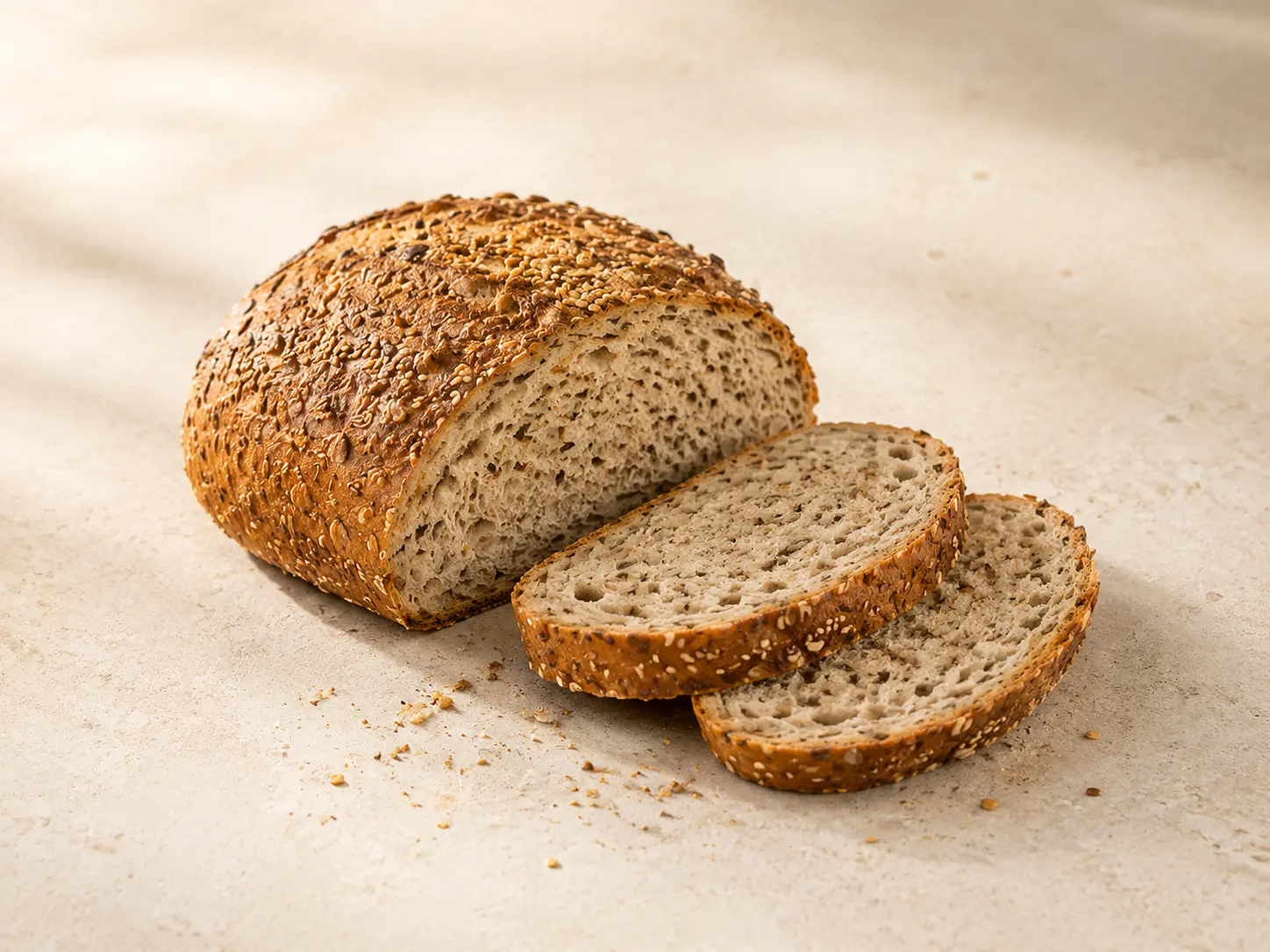
What Mali Fibras Granados Can Study
This area mainly fits bespoke development: assessing how a documented ingredient works in a bread or snack formulation. It does not imply that Mali Fibras Granados has its own fermentation plant, supplies cultures or bioprocesses every mix.
Share the available ingredient, known treatment and desired result. From there, the test of application is defined and which specialists or suppliers must intervene.


