fibre in breads and snacks
Wheat bran in breadmaking: hydration, volume and texture
How to assess the effect of wheat bran on water, structure and crumb, and when to study a combination of fibres such as Fibra Verde.
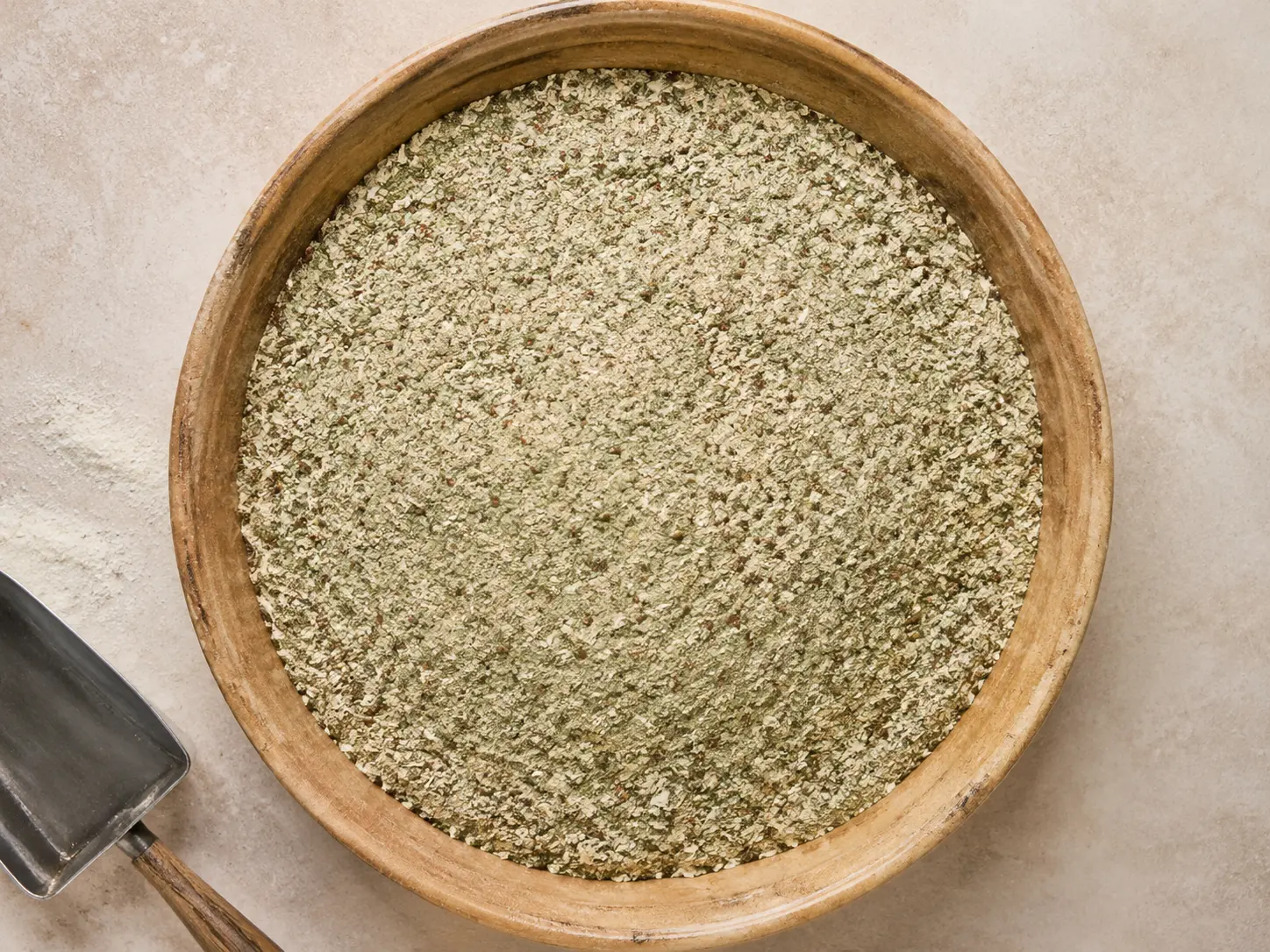
The wheat bran provides fibre and changes how the water is distributed in the dough. It can increase the demand for hydration and modify the continuity of the gluten network, the volume and firmness of the crumb. The response depends on the material, particle size and set of the formulation.
To develop a bread with bran it is advisable to compare first hydration, behaviour of the dough and texture against a reference. An isolated water adjustment does not explain or resolve all changes; the product must be followed from kneading to storage.
In summary
- Water absorption and particle size of the bran condition the trial.
- It can hinder the continuity of the gluten network and reduce volume if the system is not balanced.
- Volume, firmness and acceptance must be compared on equivalent parts and processes.
- A European declaration on the acceleration of intestinal transit, subject to conditions, is available to wheat bran fibre.
- Fibra Verde integrates bran with other sources of fibre and ingredients; it is evaluated as a complete system.
What's the wheat bran?
It mainly comprises the outer layers of the grain separated during milling. In addition to dietary fibre contains other components of cereal. Its composition and physical structure differ from the endosperm that predominates in a refined flour; this difference explains why replacing flour with bran changes both the dough and bread.
Why is the demand for water increasing?
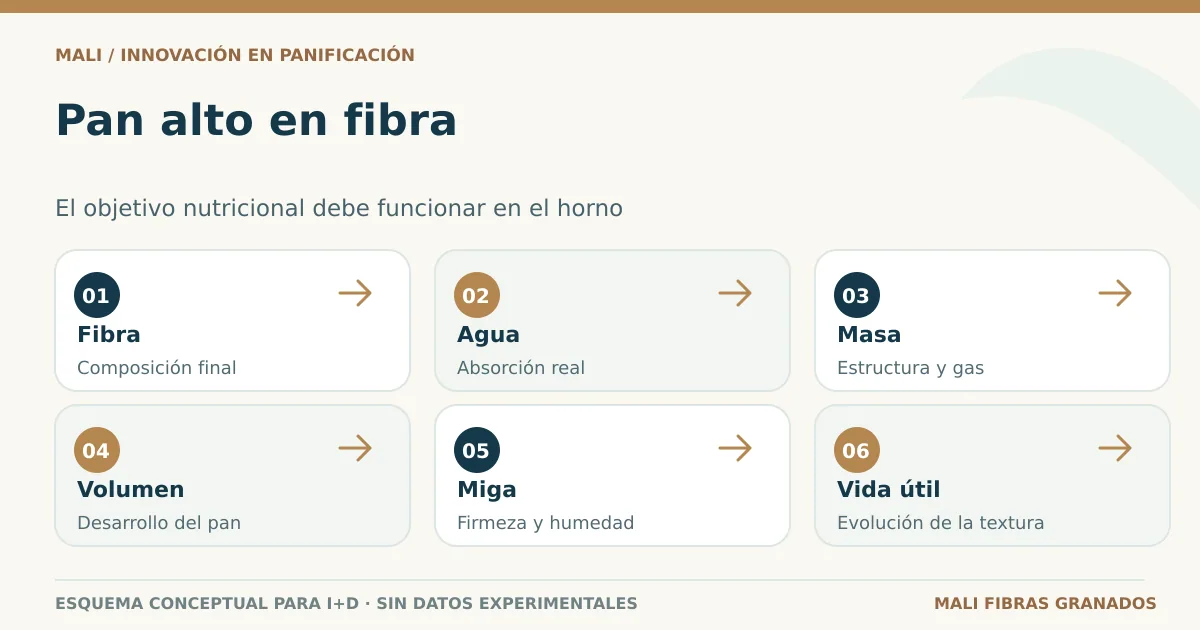
Fibrous fractions retain water and modify the amount available for gluten and starch. The research notes changes in absorption and rheological properties when incorporating bran. If a dough becomes rigid, checking only liters of water is not enough: particle size, hydration time and process sequence are also important.
Raw material → dough
The bran changes the water distribution and structure
- ParticulateSize and composition
- HydrationWater available
- DoughGluten and gas retention
- CrumbVolume and firmness
The meaning and magnitude of the effect depend on the bran and formulation.
Bran, gluten and volume
The gluten network must develop and maintain sufficient continuity to retain gas bubbles. The bran can compete for water and insert particles into that matrix. Depending on their proportion and treatment, they can change extensibility, stability, fermentation and expansion. The drop in volume is a frequent risk, not an inevitable result of all breads with bran.
The particle size matters
There is no simple rule according to which always finer grinding produces better bread. The effect depends on the material, the fractions present and the process. It is appropriate to characterize the truly purchased bran and compare lots with the same trial method, especially if you want to scale the reference.
What to observe during fermentation?
A dough with less tolerance can lose height or gas retention even if the fermentation of the previous recipe is working properly. R&D should observe growth, stability, time and response when entering the oven. These data help to distinguish hydration problems, structure or process.
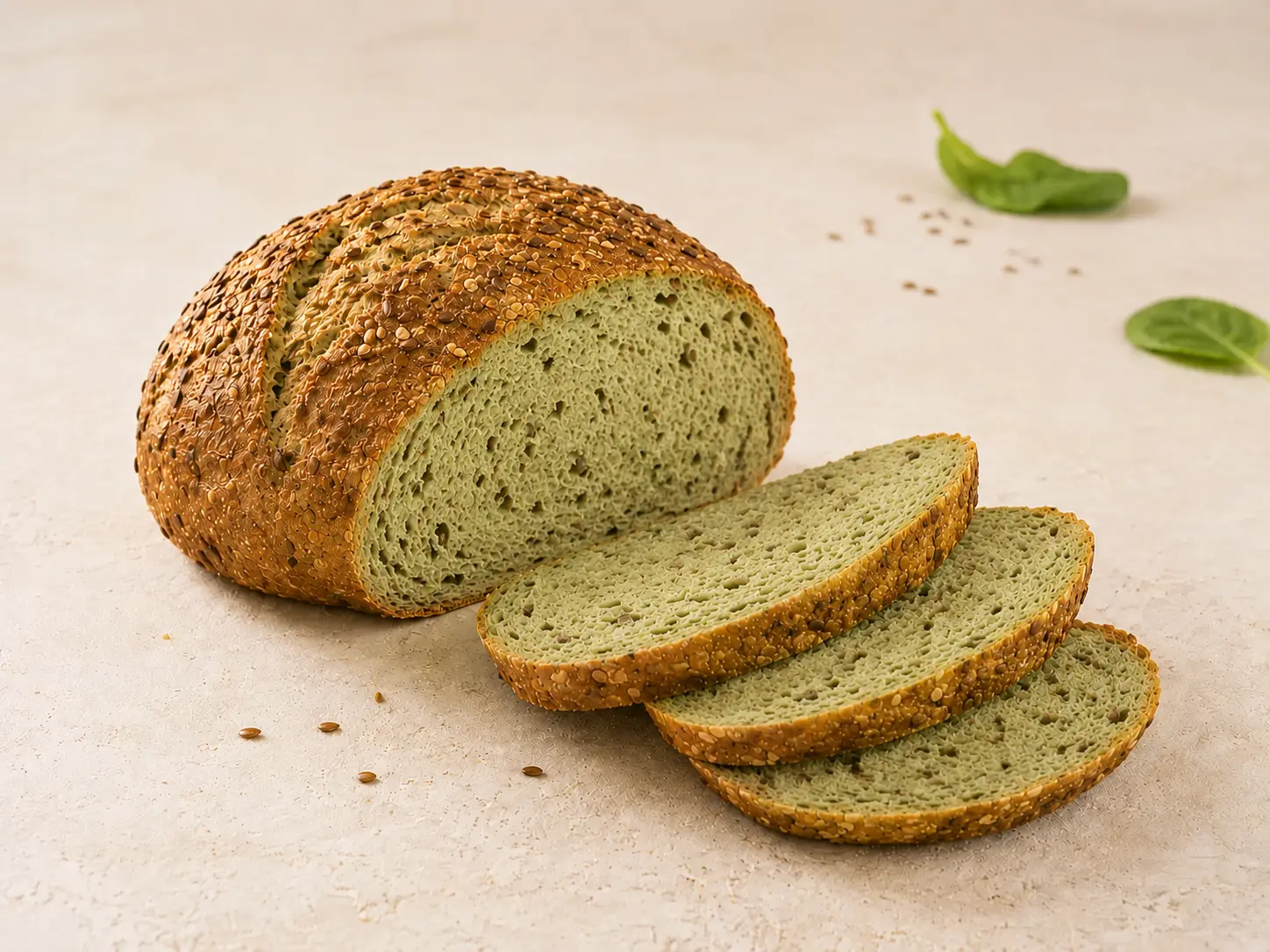
Texture and improvement strategies
A greater contribution of bran is often associated in many studies with firmer crumb and a more rustic feeling. Milling, prehydration, fermentation and treatments of the ingredient can be studied, always verifying its effect on the concrete formulation. The fractions of the bran and its ability to bind water are decisive for volume and texture.
| Variable | recommended trial |
|---|---|
| Fibre | Measurement in finished bread |
| Hydration | Absorption and distribution during kneading |
| Dough | Extensibility and stability |
| Fermentation | Expansion and tolerance |
| Bread | Volume, crumb cell structure and firmness |
| shelf life | Crumb evolution and acceptance |
Wheat bran fibre and intestinal transit
The EU authorises the claim “Wheat bran fibre contributes to an acceleration of intestinal transit”. The food must be high in that fibre, and consumers must be informed that the beneficial effect is obtained with a daily intake of at least 10 g of wheat bran fibre. This raw material in Fibra Verde provides the legal basis for the claim; the value of the mix and finished bread comes from the complete system. The formulation approach is explained in how to develop high-fibre bread, and the validation steps in how to formulate and communicate bread made with Fibra Verde.
Visual guide · intestinal transit
Bristol stool chart: seven stool types
A descriptive reference of form and consistency. It helps talk about intestinal transit; it does not measure the effect of a fibre or bread alone.
Interpretation guide: 1–2 are usually associated with constipation; 3–4, with usual forms; 5–7, with progressively less formed stools. Neither this scale nor the drawing can predict the individual result of consuming Fibra Verde.
Original illustration based on the seven categories of the Bristol scale described by NHS Wales.
What each part of a fibre system contributes
The bran may influence water and structure, but it does not solve the development of a differentiated bread alone. Fibra Verde allows you to work a combination of ingredients and a complete product experience.
| Part of the system | What should be evaluated on bread |
|---|---|
| Soluble and insoluble fibres | Water distribution, texture and fibre content |
| Wholegrain flours | Cereal profile and dough behaviour |
| Different brans | Particles, water retention and structure |
| Dehydrated vegetables and seeds | Taste, appearance and regularity between pieces |
Not every component has the same function. The intestinal-transit benefit is communicated for food that meets the specific fibre conditions; Fibra Verde integrates that objective into a bakery solution.
Fibra Verde: the value of a complete combination
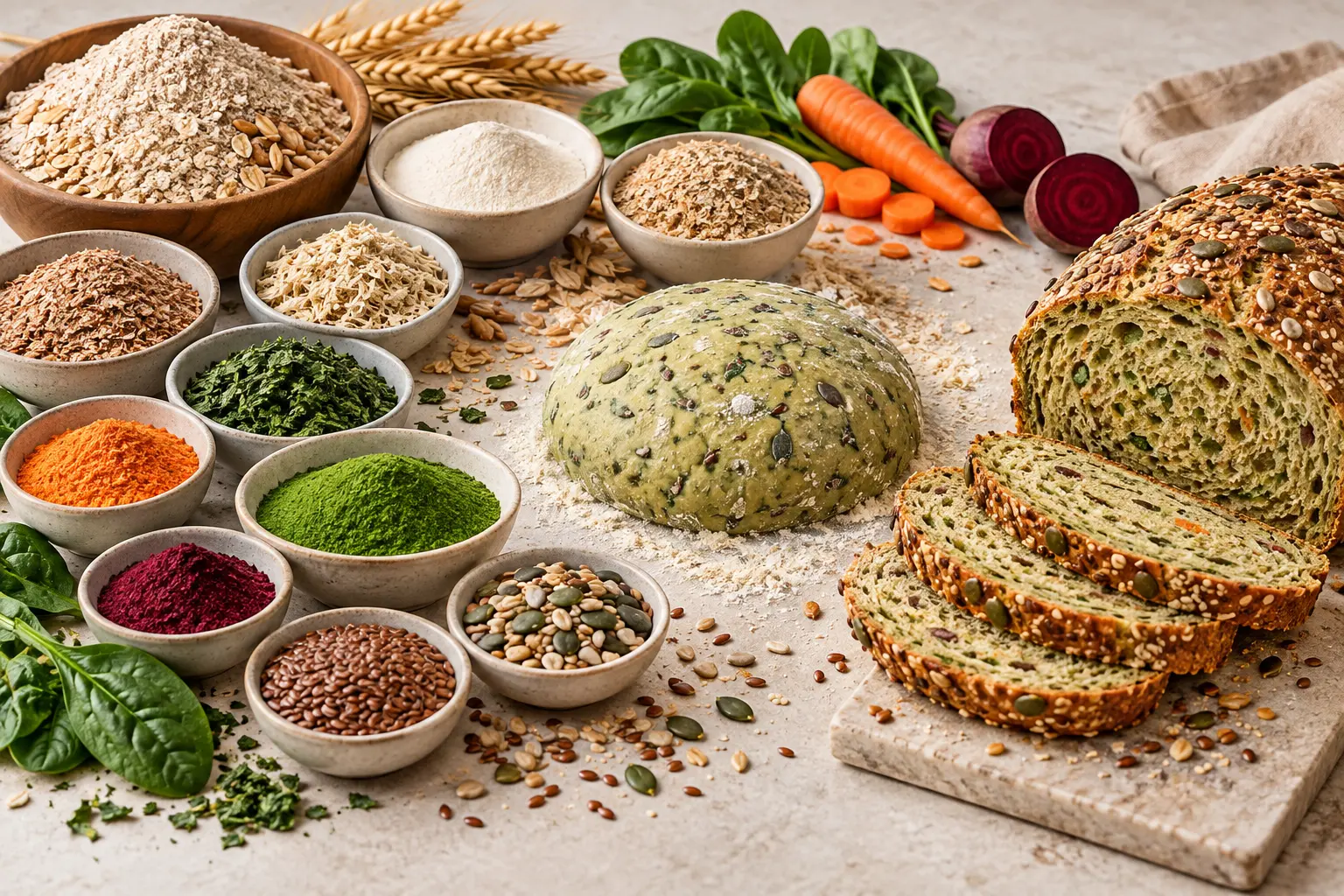
Fibra Verde is the Mali Fibras Granados mix developed for high-fibre breads that help accelerate intestinal transit when the finished product meets the applicable conditions. It brings together soluble and insoluble fibres, wholemeal flours, different brans, dehydrated vegetables and seeds in a distinctive solution. It is not isolated bran: the mix allows water, structure, texture, flavour and visual differentiation to be developed together. Dosage and process adjustments are provided to the manufacturer; results are checked in the manufacturer’s bread and equipment.