fibre in breads and snacks
Intestinal transit: the role of fibre and bread
What intestinal transit is, how dietary fibre contributes and what to look for in bread. An application guide to Fibra Verde for bakeries.
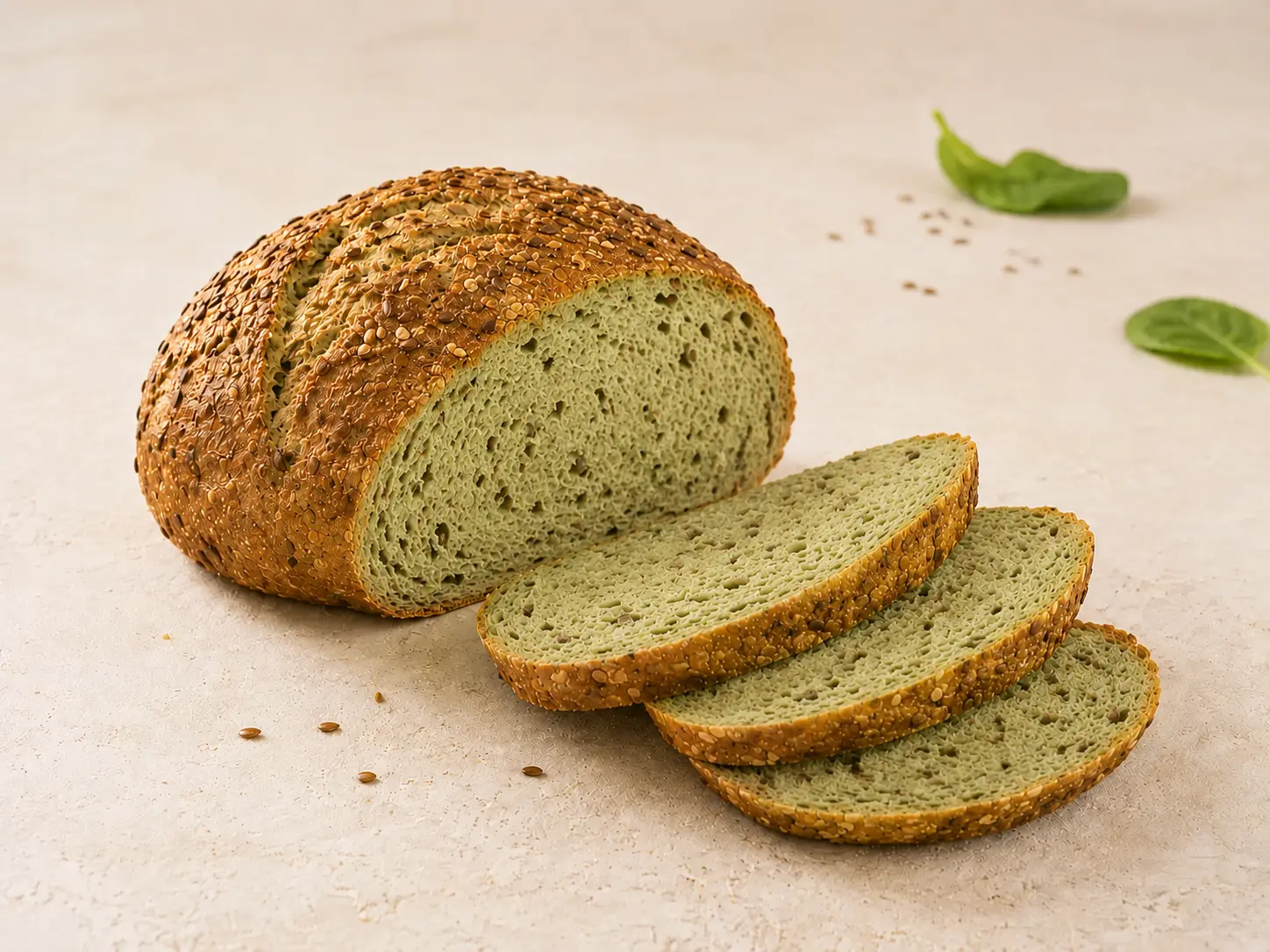
The intestinal transit is the route of digestive content through the intestine until it is evacuated. The fibre of food and sufficient hydration can help make the stool easier to eject. Wholemeal bread and other fibre breads can contribute to the daily contribution, along with fruits, vegetables, pulses and other foods.
What is the relationship between fibre and intestinal transit?
fibre is part of a diet that promotes intestinal functioning. NIDDK recommends gradually incorporating it and accompanying it with fluids to help it act. The response depends on the person and his or her diet; a concrete bread does not guarantee to resolve constipation or a result within a fixed time frame. If the problem persists, consult a healthcare professional.
What should you look at when choosing a bread with fibre?
See its fibre content per 100 g and the list of ingredients. The dark colour or the presence of seeds is not enough to know how much fibre it brings. It also matters that it is nice and fit into your usual diet. Later we explain the difference between a high-fibre bread and a bread that meets the conditions to communicate a specific benefit on the intestinal transit.
To compare options in a bakery or supermarket, see how to choose bread with more fibre, with criteria covering ingredients, salt and nutritional contribution per serving.
From intestinal benefit to bread: Fibra Verde
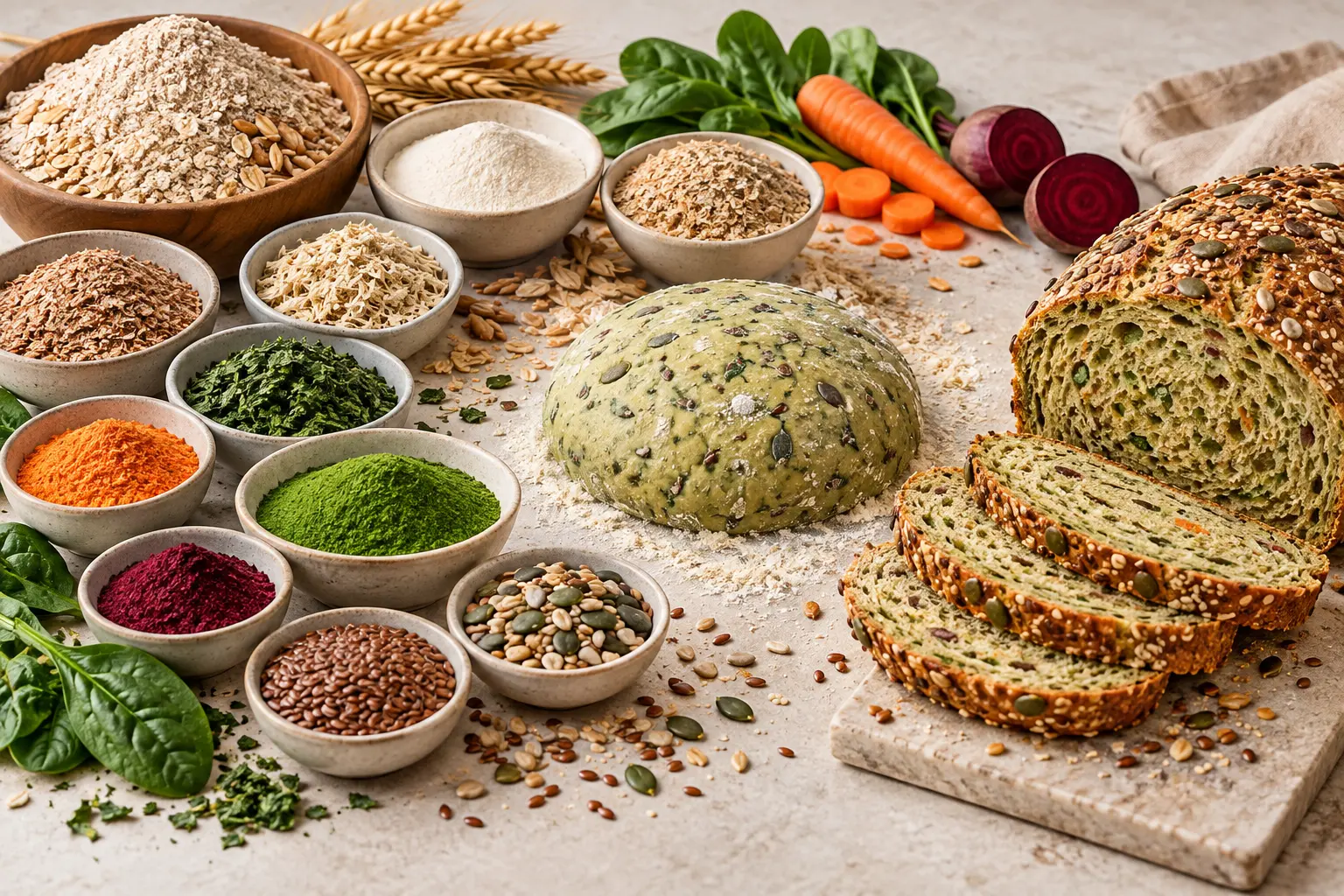
For bakeries and manufacturers, Fibra Verde is a mix of soluble and insoluble fibres, wholemeal flours, brans, vegetables and seeds. It provides a basis for developing high-fibre bread, including its flavour and texture. The intestinal-transit benefit is communicated when the finished bread meets the corresponding conditions; the following guide explains how to check this.
This combination gives the manufacturer a nutritional, technological and sensory solution with its own identity. Wheat bran fibre included in Fibra Verde provides the specific regulatory basis for the transit declaration; the ingredient underlying the claim should not be confused with the full value of the product.
From Mix to Final Bread
Fibra Verde converts different sources of fibre into a baking solution
- SystemCombine fibres, integrals, brans, vegetables and seeds
- BreadAdjust water, structure, volume and texture
- BenefitHelps intestinal transit
- LabelApprove communication on the final product
The commercial protagonism corresponds to Fibra Verde; the fibre of wheat bran provides the specific basis of the authorised claim.
In summary
- Fibra Verde is a complete combination of fibre sources and plant ingredients, not isolated bran.
- Fibra Verde helps the intestinal transit with a wide combination of fibres.
- The mix's wheat bran fibre underpins the specific European declaration on transit.
- It should be reported that the beneficial effect is obtained with a daily intake of at least 10 g of wheat bran fibre; it is not 10 g of total fibre nor a mandatory amount per piece of bread.
- R&D should turn the whole mixture into a bread with good volume, texture, taste and shelf life.
- Quality and Marketing validate communication about the actual formulation and label.
What Fibra Verde contributes as a complete system
Soluble and insoluble fibres do not behave the same. Neither does a whole grain wholemeal flour, a bran, a dehydrated vegetable, or a seed. Fibra Verde combines these families so that the final product does not depend on a single raw material or have to be built from scratch in the factory.
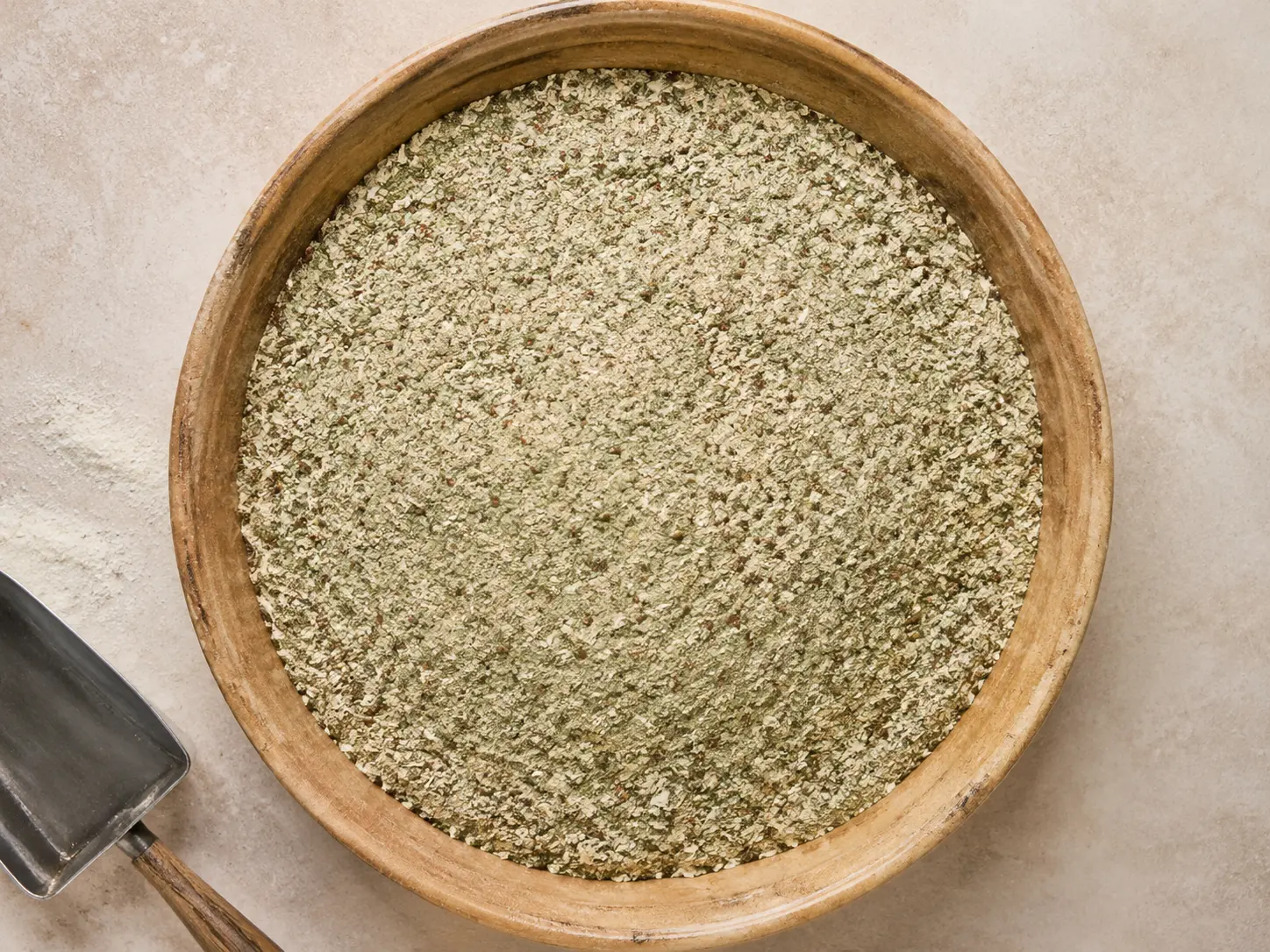
The mix allows to work simultaneously fibre content, hydration, structure, plant profile, appearance and recognition of the product. The exact application adapts to the type of bread and to the manufacturer's line without making public dosages or proprietary formulations.
What does the EU claim say?
Regulation (EU) 432/2012 authorises the claim “Wheat bran fibre contributes to an acceleration of intestinal transit”. To use it, the food must be high in the fibre to which the claim refers, in accordance with the “high fibre” criterion, and consumers must be informed that the beneficial effect is obtained with a daily intake of 10 g of wheat bran fibre.
Three often mixed questions should be separated: how much total fibre does the bread have?, how much of that fibre is wheat bran? and how does its usual portion allow to reach the intake that should be reported? The response must be documented for the final product.
High in total fibre does not automatically equal the intestinal claim
The nutrition declaration “high fibre” requires at least 6 g fibre per 100 g or 3 g per 100 kcal. They are alternative thresholds for food. The transit declaration also refers specifically to wheat bran fibre: the presence of inulin, oat fibre or other fibres can contribute to the total figure without replacing the specific requirement of the claim.
Quality should review the raw material documentation, the calculation of formulation and, where appropriate, the analysis of bread as it is sold. Final humidity and process variation can change the values expressed by 100 g. If the consumer must understand the daily intake, portion and consumption patterns also matter.
From Fibra Verde to a bread that performs
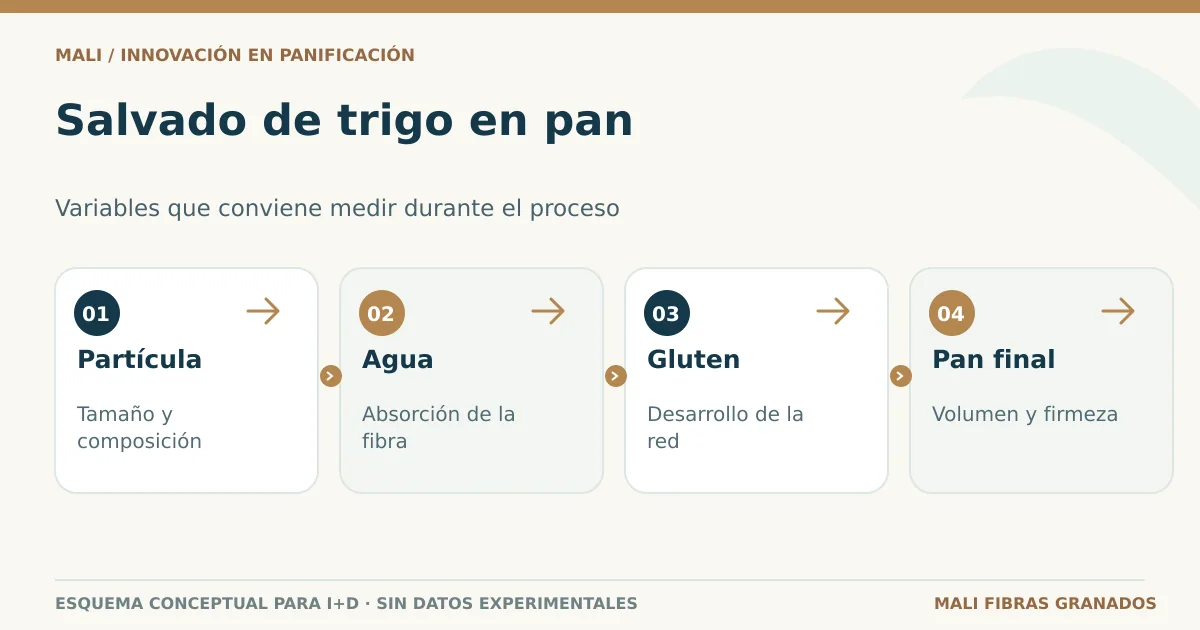
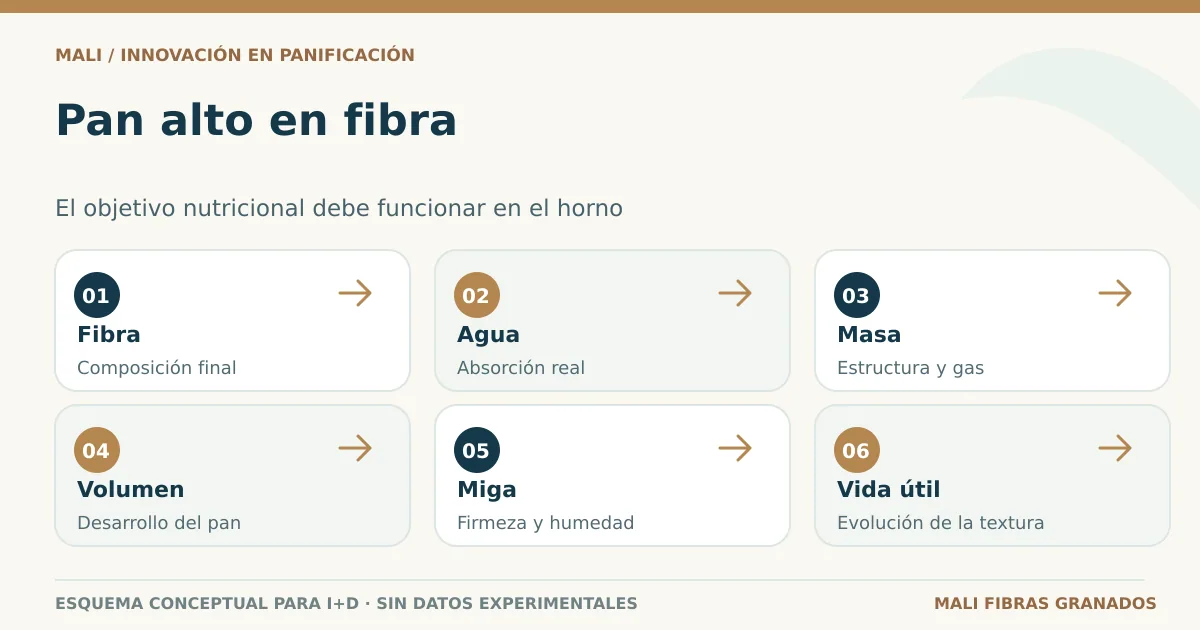
The combination of fibres, integrals, brans, vegetables and seeds changes the distribution of water and the structure of the dough. They can change extensibility, gas retention, volume, crumb cell structure, colour and firmness. There is no universal water correction or kneading: the response depends on the format, the base flour, the mix percentage and the line.
To analyse the specific function of one component, see the role of bran within a complete solution. For the nutritional objective and volume problems, start with how to develop high-fibre bread with Fibra Verde. This article focuses on turning the complete mix into a product and correctly communicating the bowel-health benefit.
Four R&D decisions affecting the claim
Combining fibres and moisture
Total fibre, wheat fibre and final moisture answer different questions. The objectives should be set with technical margin and the data should be verified after baking and in the actual conditions of sale, without publishing dosages of the mix.
Hydration and structure
Stiff dough may lose extensibility and volume; adding more water without checking shaping and stability can create other problems. Assess absorption, mixing and production-line tolerance together.
Portion and consumer experience
Sliced bread, baguettes and rolls are consumed differently. The portion should be understandable and practical, but do not promise that a single piece provides the necessary daily intake without checking it.
shelf life
The product must maintain an acceptable texture. Measuring only the newly baked crumb can hide a subsequent hardening that will harm the repeat purchase.
| Control | Question for the team |
|---|---|
| Composition | What does the complete combination bring and how much specific fibre does the claim support? |
| Process | Is there enough volume and tolerance in the real line? |
| Portion | Can the amount of bread linked to daily reported consumption be understood? |
| Label | Is the declaration, the mandatory information and the rest of the messages consistent? |
| Commercial | Is it an appetizing bread for the intended daily use? |
How to communicate Fibra Verde and its benefit
Marketing can put the product and its proposal in the foreground: "Fibra Verde helps to accelerate the intestinal transit’, provided that the final bread meets the relevant conditions and the context makes clear the information required. Wheat bran fibre explains the regulatory basis of the message, but it does not have to become the main identity of bread.
The exact text, daily intake information and any alternative formulations are reviewed with Quality before printing the packaging or advertising. ‘Intestinal regulation’, ‘combat constipation’ and other expressions should not be adopted by intuition as if they were automatically equivalent to the authorised claim.
In Spain, “wholemeal” is governed by the bread quality standard and does not mean “high fibre” or compliance with the bran claim. Adding bran does not make bread wholemeal; wholemeal bread does not, by definition, meet the conditions of this claim.
A useful development sequence
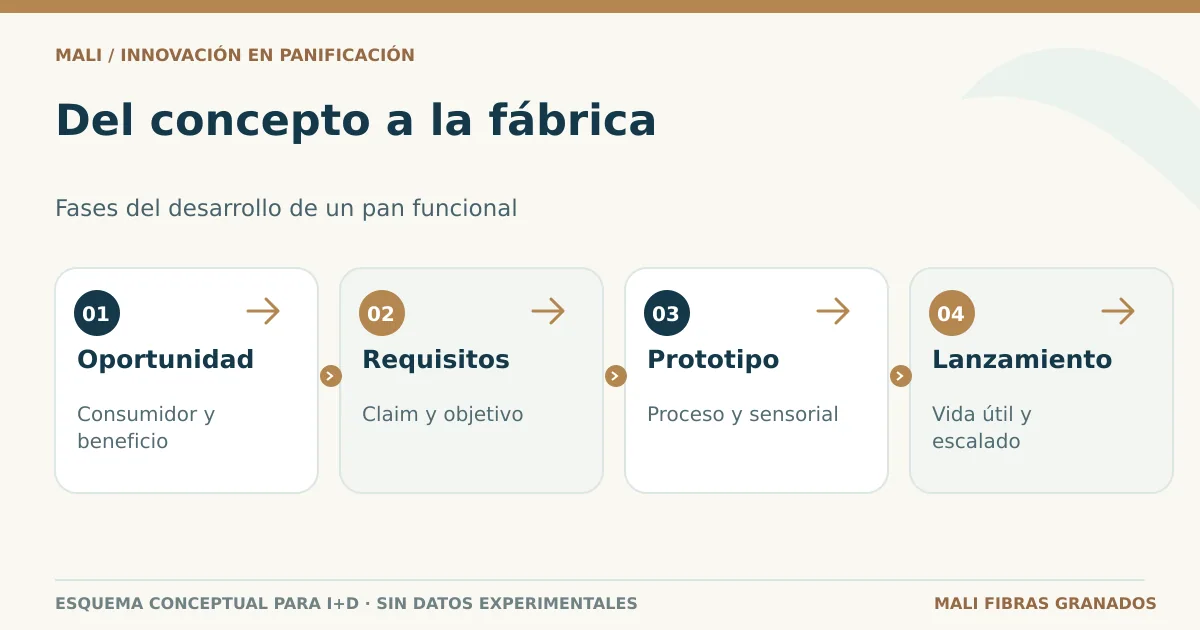
The sequence of work avoids late reformulation: define the benefit and audience; check ingredient, food and message requirements; set analytical targets; formulate; test water, dough and volume; verify the finished product and portion; and validate labelling and communication. The final format may be everyday bread, sliced bread or a roll, but this sequence must inform the choice from the brief onwards.
Approval checklist for the Fibra Verde benefit
The commercial protagonist can be Fibra Verde and its combination of fibres, integrals, brans, vegetables and seeds. Approval of the message requires linking intestinal benefit with its specific conditions.
| Check | Usual responsible team | Evidence |
|---|---|---|
| Defined product and portion | R&D and Marketing | Briefing approved |
| Total fibre content | Quality | Nutritional validation of food |
| Fibre supporting the declaration | Quality and supplier | Applicable specification and verification |
| Text and context of benefit | Quality and Marketing | Revised label, website and trade sheet |
| Planned consumption | Project team | Consistent information by portion and day |
This tab prevents the message from being approved only by the name of the mix or by a total fibre value. The differentiation of Fibra Verde combines the Bakery result and the benefit communicated correctly.
Fibra Verde and development
Fibra Verde is the Mali Fibras Granados mix for making high-fibre breads that help accelerate intestinal transit, provided the final product meets the corresponding conditions. The solution combines soluble and insoluble fibres, wholemeal flours, different brans, dehydrated vegetables and seeds; the wheat bran fibre it contains supports the authorised claim. Dosage, process and documentation are developed directly with each manufacturer. Explore Fibra Verde or request information for your development.
Sources and references
- Regulation (EU) 432/2012: declaration and conditions for wheat bran fibre
- Regulation (EC) 1924/2006: high fibre content condition
- Royal Decree 308/2019: designations and indications of wholemeal bread
- Review of the technological effect of wheat bran on bread
- NIDDK: food, fibre and fluids in constipation