Ingredients and formulation
Cereals and pseudocereals: designing a blend for bakery products
Oats, rye, buckwheat, quinoa, millet and spelt: criteria for choosing cereal and pseudocereal blends for bread and snacks.
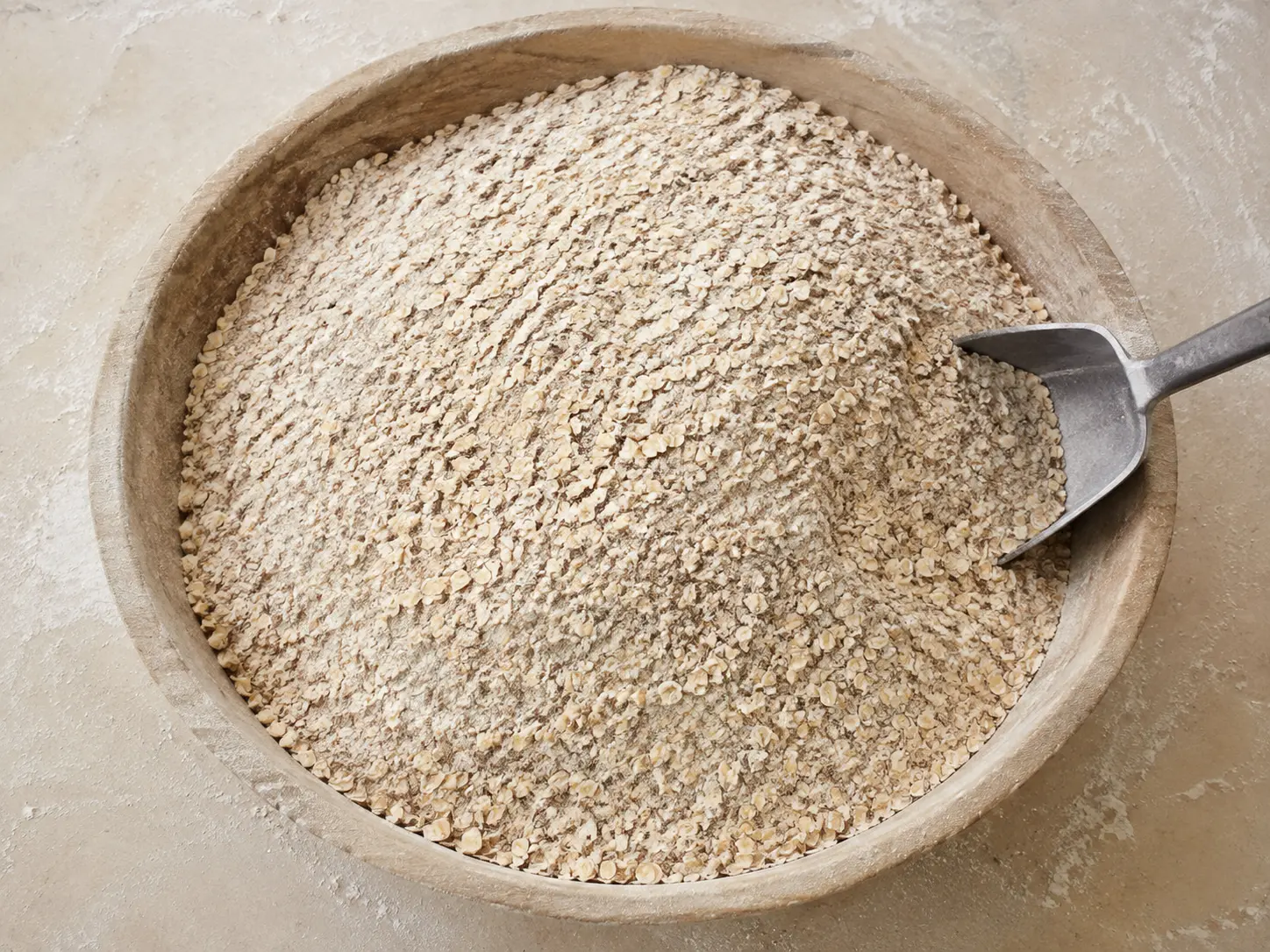
Choosing a cereal or pseudocereal can give identity to a new product without relying on an unknown ingredient. To prepare a range of 2027 it is important to define what it should bring: flavour, texture, composition or differentiation. The age of the crop does not demonstrate universal nutritional superiority.
Compare by application
| Ingredient | Question for briefing |
|---|---|
| Oats | What flavour, texture and composition does the product seek? |
| Rye | What identity and sensory profile do you want? |
| buckwheat | Does your characteristic profile fit the format? |
| Quinoa | Are you looking for visible presence or dough integration? |
| Millet | What form of the ingredient offers better application? |
| spelt | What difference does the consumer recognise from another wheat? |
buckwheat and quinoa are pseudocereals; spelt is a wheat. The commercial name of a mixture does not replace the identification of ingredients or the revision of allergens.
Wholegrain, ancient and gluten-free are different concepts
An ingredient is not wholegrain because it is ancient, and adding a pseudocereal does not make a product gluten-free. Review the complete composition, cross-contamination and message requirements. Adding bran alone does not automatically make a formulation wholemeal bread either.
Quality must check the name rules applicable to the specific product and market. It avoids messages that turn a perception of tradition into an unjustified health promise.
The way you buy it changes the trial
Grain, flake, flour and fractions of the same cereal do not behave the same. Record size, treatment, composition and humidity. If the ingredient displaces part of the base flour, compare structure, handling, volume and acceptance against reference.
For a snack it also matters how it is distributed, if it modifies the fracture and how it evolves in storage. The format should be decided before closing the mixture.
Criteria for R&D
Four selection criteria
- IdentityWhat the consumer recognises
- FormGrain, flake or flour
- FunctionDough and texture
- InformationComposition and name
Decision scheme; does not represent experimental results of a Mali Fibras Granados formulation.
Combinations to investigate
Cereal plus protein, wholegrain plus prebiotic fibre, or a pseudocereal snack are concepts, not validated recipes. Fibra Verde provides a combination of fibres and plant ingredients; Prebiomix provides prebiotic chicory fibre; Protein Pan offers a route to protein bread.
Adding another cereal to an application changes the system and needs checking. A new composition is not attributed to standard mixes by appearing alongside these ideas.
Compare by application and specification
The cereal alone does not determine the result. The form of supply — flour, flake, grain, or fraction — and its proportion within the food change the assessment.
| Project | Main criterion |
|---|---|
| Bread with cereal identity | Taste, structure and acceptance |
| Cracker with pseudocereal | Color, fracture and regularity |
| Wholemeal product | Raw material and applicable name |
| Combination with protein or fibre | Water balance and final quality |
Check allergens and cross-contamination of the concrete sample. spelt remains wheat; a mixture with a naturally gluten-free pseudocereal does not automatically make the product suitable for a gluten-free declaration. Validation is done on the final formulation and process.
A briefing for Mali Fibras Granados
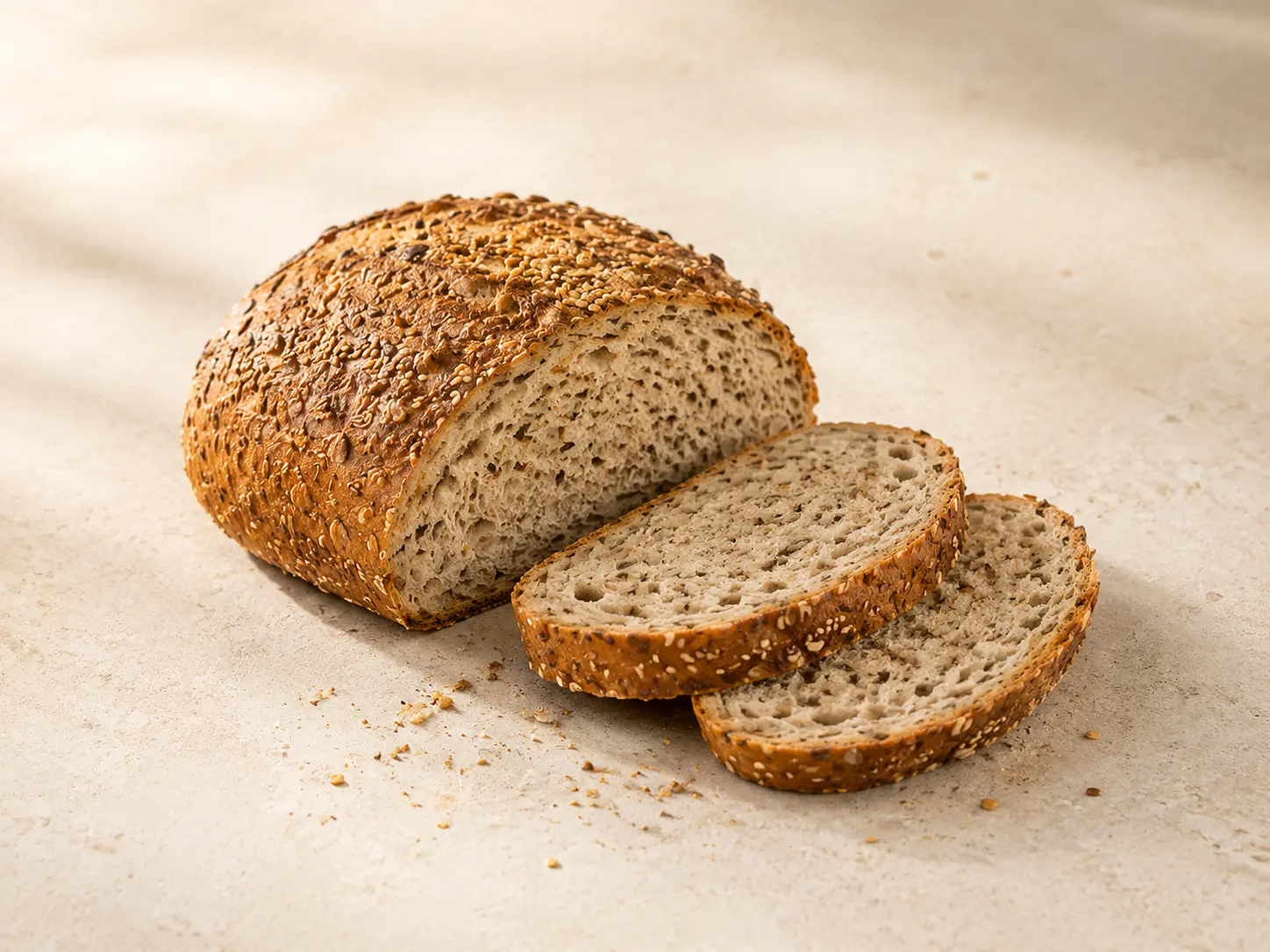
Specify the cereal or pseudocereal, desired format, available ingredient, nutritional objective and sensory profile. Explore a bespoke cereal combination with Mali Fibras Granados. Selection should be based on its contribution to the finished product, not the “ancient grain” label.