

of the energy value must come from protein to make a “high protein” claim.
Active nutrition
Protein
Bread, snacks and cakes with meaningful protein content, a good texture and an eating experience that brings consumers back.
Understanding the Benefit
From nutritional need to a functioning product
Protein enrichment changes the water absorption, dough structure, colour and texture of the final product. That's why a good formulation is not just about adding protein: you have to balance the whole recipe.
We work the nutritional contribution along with the experience of consumption and the behaviour in production to develop breads, snacks and cakes and passions that really work.
Choosing the protein source also matters. Soya, sunflower, gluten and other plant proteins provide different properties and affect elasticity, gas retention, roasting and aromatic profile differently.
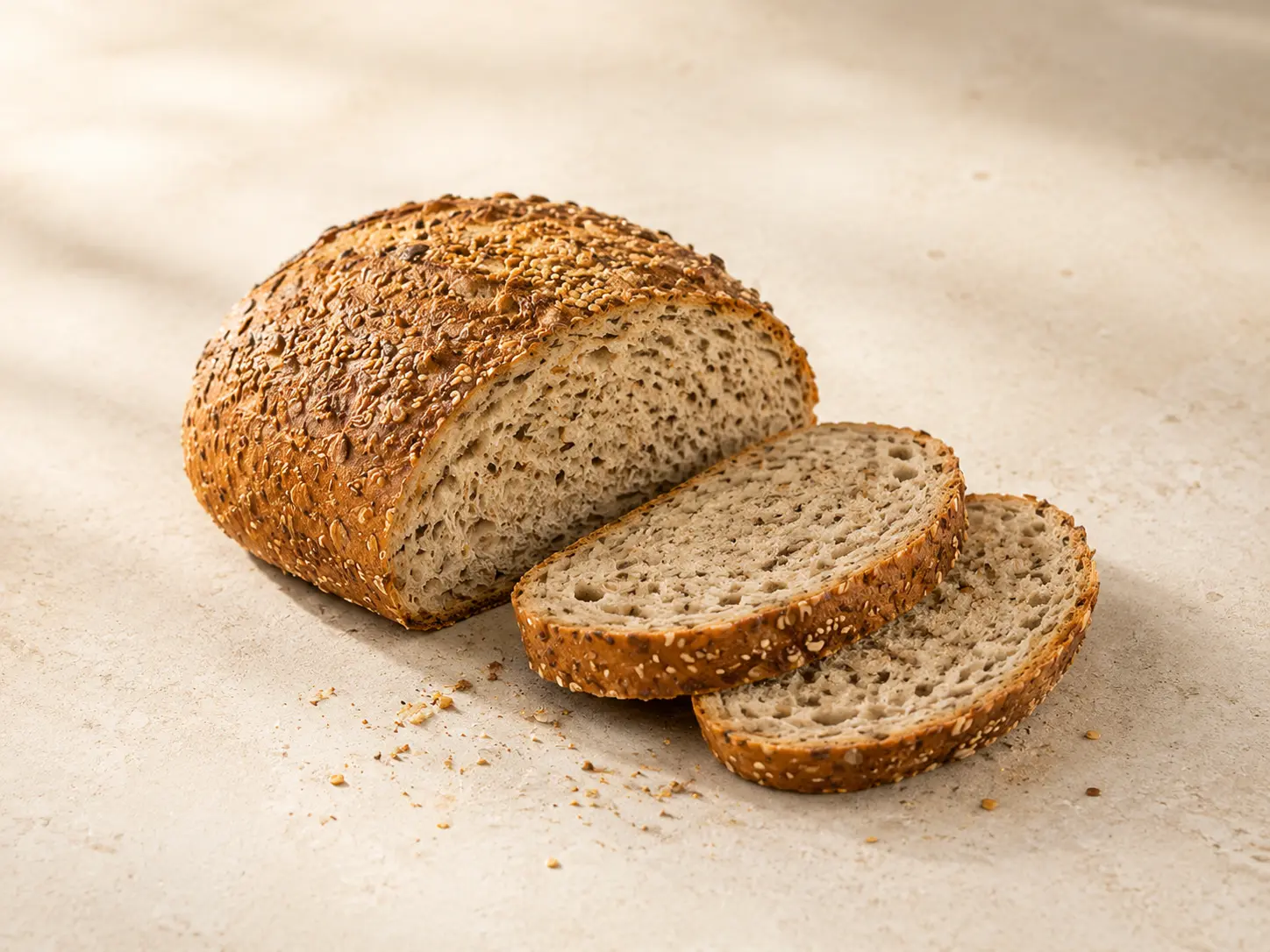
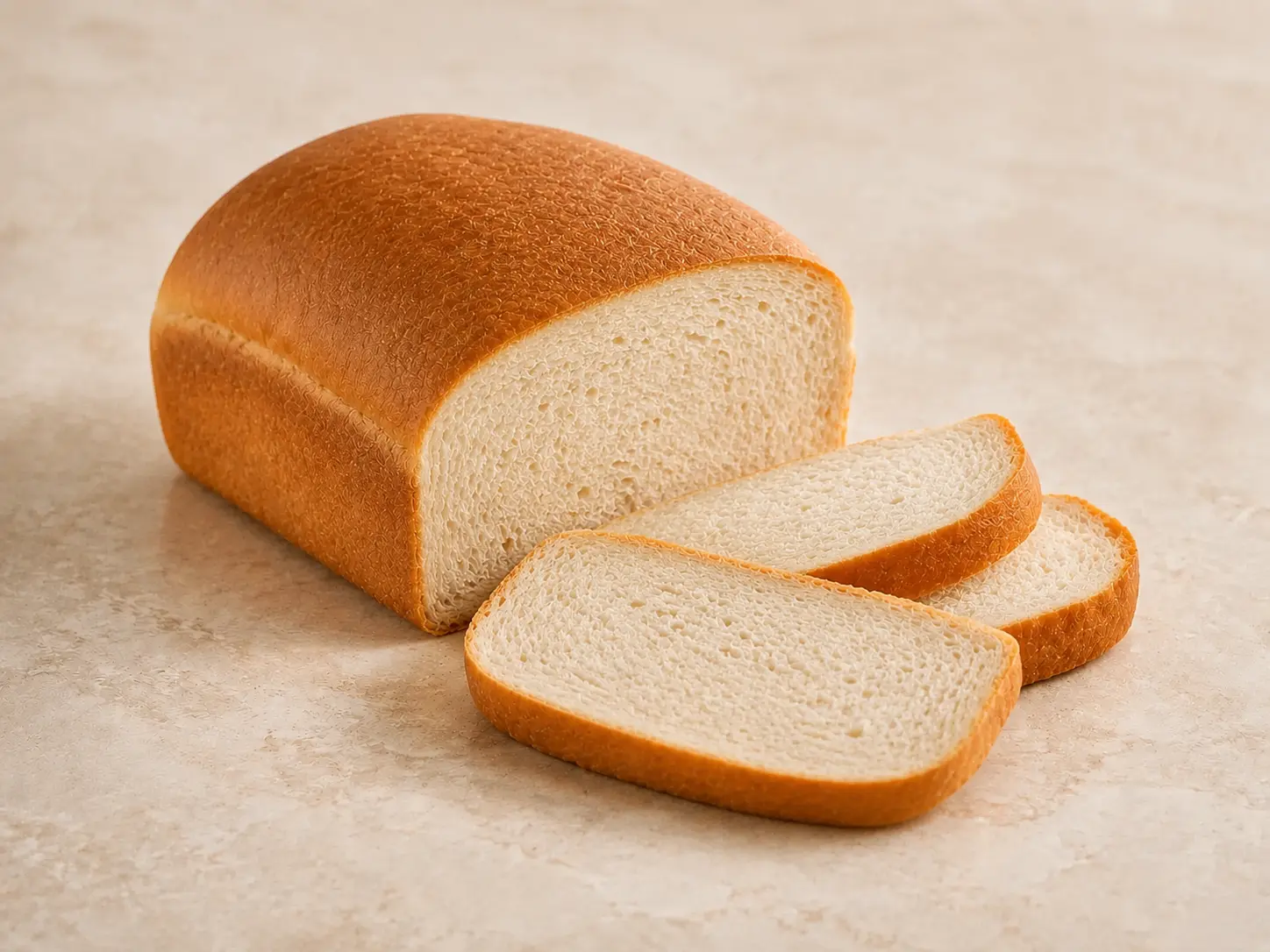
The goal is that the nutritional data is visible, but that the consumer continues to recognize what he buys: bread with crunch, snack crunch or cakes and juicy pastries.
applications: bread, baked snacks and cakes and pastries.
final product where we verify nutrition, texture, taste and process.
Keys
What is behind this nutritional territory?
Ingredient, quantity, portion, process and eating experience must tell the same story.
It's not just adding protein
Each protein source modifies water absorption, elasticity and dough development. The formula must compensate for those changes.
Texture still matters
Good nutritional figures are not enough if the bread is dry, the snack loses its crunch or the cake lacks moistness.
Validate the claim on the finished product
The ‘high protein’ declaration depends on the energy distribution of the finished food, not on the protein percentage of the mix.
Each protein behaves differently
Origin, particle size, flavour and absorption capacity condition the recipe. We combine sources to achieve the right balance.
Hydration changes
Protein doughs usually require a specific adjustment of water, kneading and rest. Mix concentration should be understood in conjunction with the production method.
Format defines the solution
Sliced bread, a regañá cracker and a cake need different structures. We formulate for the final application, rather than an isolated ingredient.
From Knowledge to Bakery
Breads to bring this objective to the product
Solutions that turn a protein target into familiar bread and snack formats, with texture and processing tailored to each application.
To really understand it
From body to finished product
We explore the benefit, its ingredients and the formulation decisions that bring it into a bakery application.
01
formulation
What happens when we increase protein
By incorporating more protein, the balance between water, starch, gluten, and fat changes. A dough can gain density, lose extensibility, or develop more marked flavour notes if the formulation is not compensated.
We therefore work on nutritional contribution alongside baking variables: hydration, mixing time, fermentation, volume, crust colour, crumb structure and shelf life.
- Water absorption and handling
- Volume and gas retention
- Taste, colour and final texture
02
Applications
Protein formulation differs between bread, snacks, cakes and pastries
For bread, we aim for a flexible crumb and a familiar everyday eating experience. In snacks, crunch and stability usually take priority. In cakes and pastries, moistness, volume and the balance of sweetness become more important.
Starting with a specific mix for each product family reduces trials, simplifies industrial scale-up and enables more precise adjustment of the final result.
- Bread: crumb, volume and slicing
- Snacks: crunch and seasoning
- Cakes and pastries: moistness and rise
03
Commercial proposal
From nutritional figures to a product that sells
Consumers must quickly understand what the product provides and how it fits into their routine. Its name, front-of-pack information, serving size and eating experience must be consistent.
Mali Fibras Granados supports you from defining that message through to the mix, pilot trial and technical information needed to validate communication.
- Clear and verifiable message
- Portion consistent with consumption
- Documentation of the final product
How we develop it
From Target to Final Recipe
- 01
We define the product, the consumer and the main message.
- 02
We select protein sources and mix concentration.
- 03
We adjust hydration, structure, volume, colour and taste.
- 04
We check nutritional values against the final recipe.
The figures and conditions on this page provide a development framework. Any nutrition or health claim must be validated against the final recipe, portion, process and target market.
Frequently Asked Questions
The essential, clearly explained
What does it mean that a product is high in protein?
In the European Union, at least 20% of the energy value of the food must come from proteins. It is checked on the final product.
Can you make a protein product without seeds?
Yes. We can formulate protein breads with a more neutral appearance and no visible seeds, adapting the mix to the format and process.
Does the same mixture serve for bread, snack and cake?
Not necessarily. Each application needs to balance different hydration, structure, fat, sweetness, volume and texture.
Can the protein source be adapted?
Yes. Selection depends on the nutritional objective, allergens, flavour, texture, brand positioning and production performance.
Can Mali Fibras Granados start from a recipe we already made?
Yes. We can analyse your recipe, process and commercial objective to propose a mix that integrates with as few changes as possible.
Sources and regulations
Content prepared using European legislation and official sources. The final application must be reviewed for each product.
Do you have a project?