Protein and Bakery
Protein bread problems: volume, hydration, texture and flavour
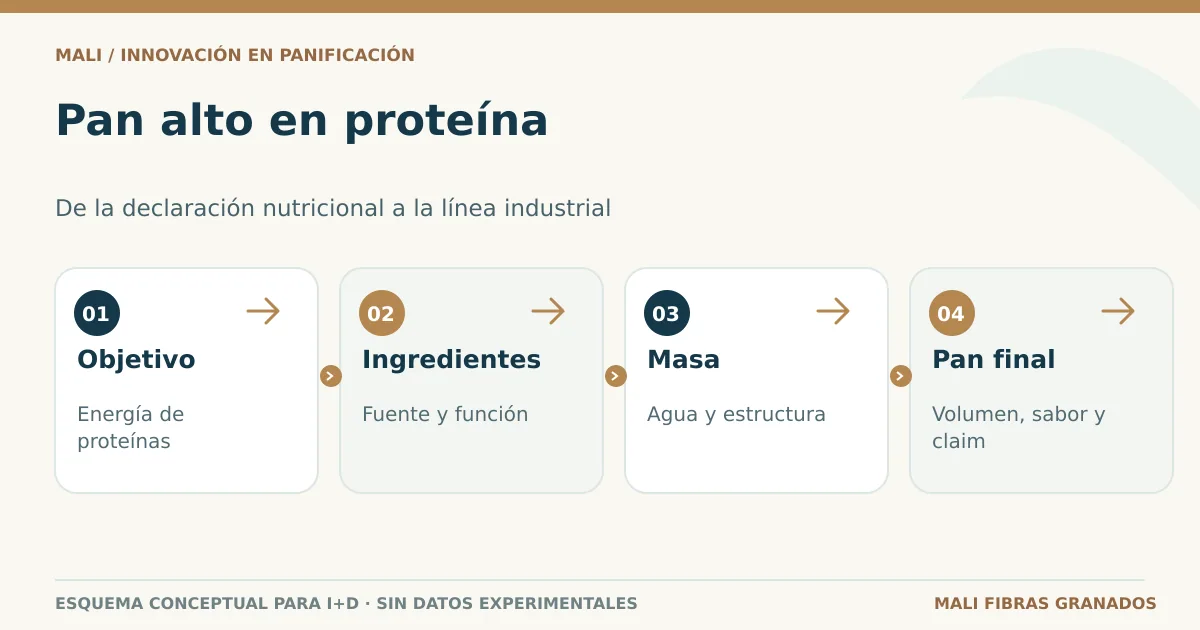
A compact or dry protein bread does not have a single cause. It is necessary to study a source of protein, gluten, water, fermentation and process before adjusting an industrial formulation.
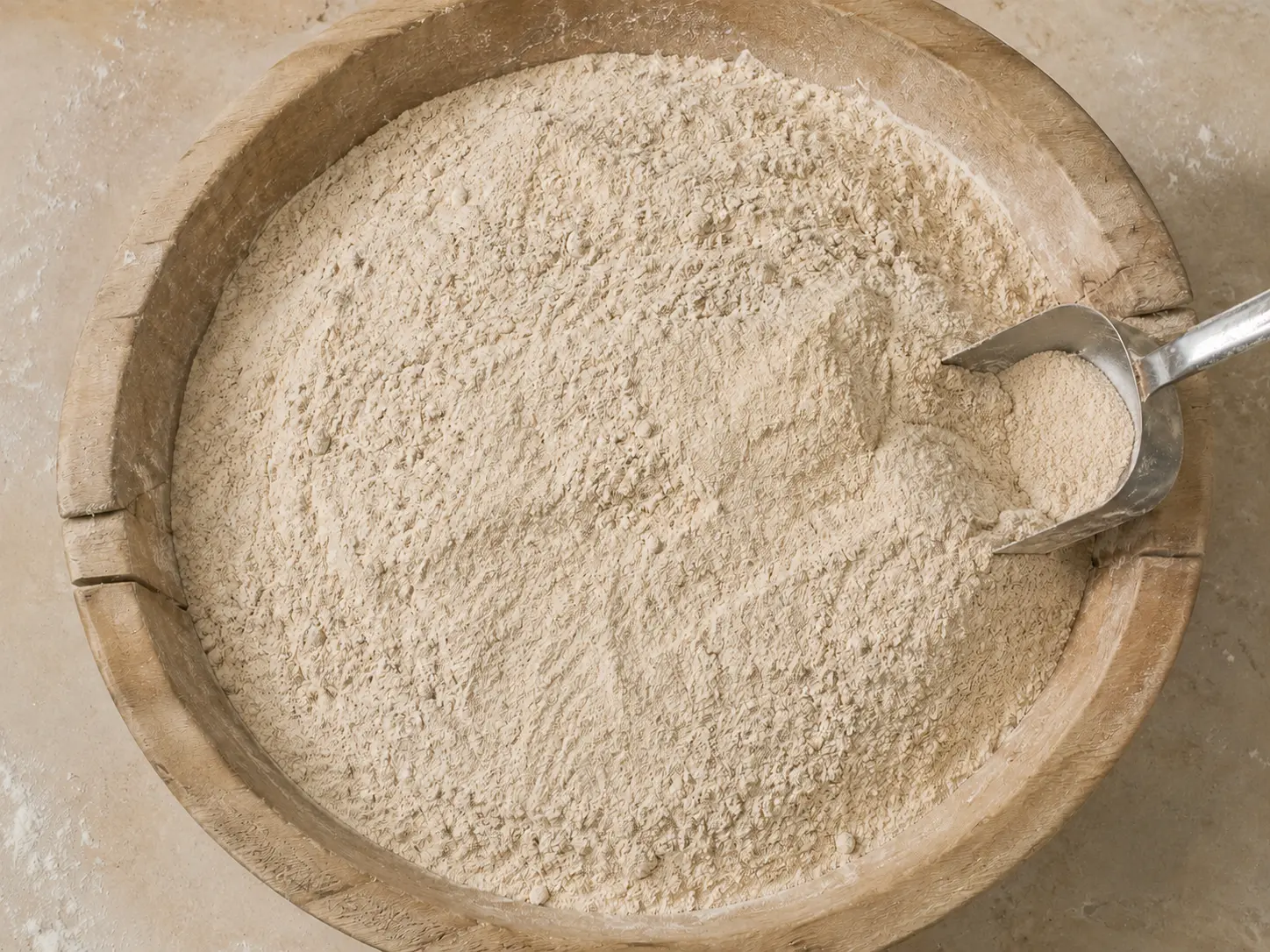
When protein bread is dense, dry or low in volume, simply adding water rarely resolves the whole system. Added proteins are not equivalent to conventional flour: they can alter water absorption, gluten, rheology and oven response. Diagnose the cause before making corrections.
In summary
- There's not a single cause for a compact protein bread.
- Source, treatment and amount of protein modify the result.
- More water does not always improve structure or workability.
- Volume, texture and flavour should be optimised together.
- Protein Pan is oriented to breads with high protein content.
Problem 1: Bread becomes compact
Good volume depends on gas production, dough expansion, gas retention and structure setting. Adding protein can change viscosity, extensibility and the proportion of functional gluten. For a dense crumb, measure dough development at each stage before attributing the failure to one ingredient.
Problem 2: hydration changes
Plant protein can interact intensely with water, depending on their origin and processing. A rigid dough may require water adjustments, but an excess can also generate stickiness and loss of stability. Evaluating hydration at the end of kneading, during formation and at the end of fermentation provides a more useful view than an isolated figure.
Diagnostic guide
Observed symptom → variables to review
A guide to formulating trial hypotheses, not an automatic diagnosis.
Problem 3: reduced volume
The replacement of flour can dilute or alter the gluten network and modify the ability to retain gas. A comparative study of wholemeal bread plant isolates found important technological differences between ingredients, even sharing the goal of raising protein. The choice should be based on bakery behaviour in addition to the protein percentage indicated on the sheet.
Problem 4: Crumb remains firm or dry
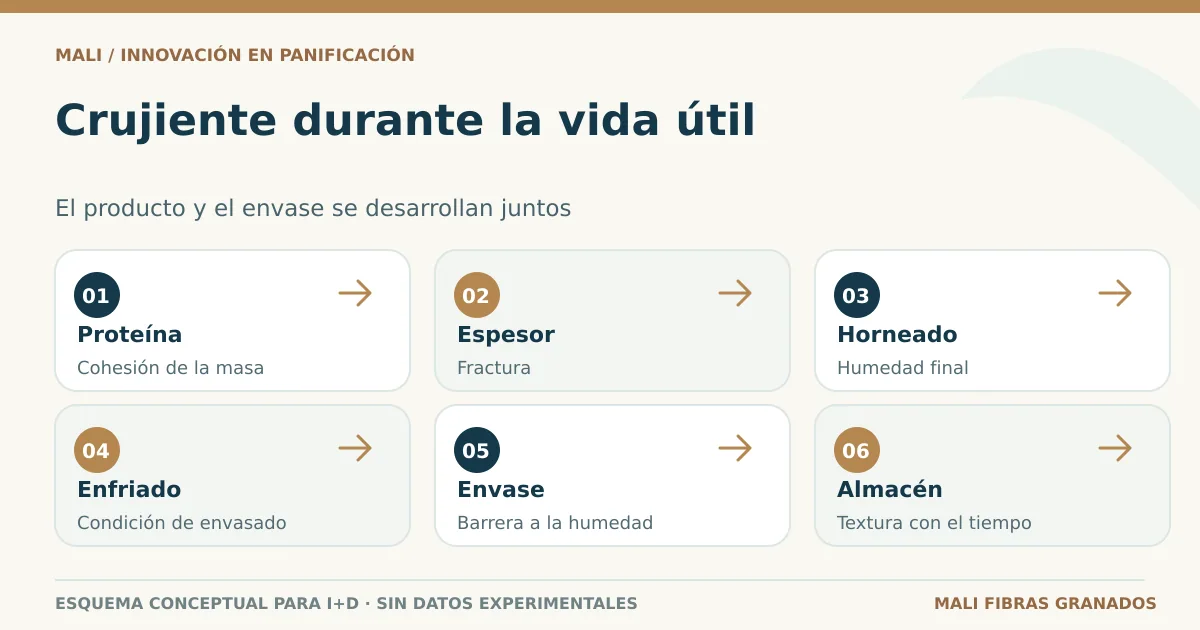
A dense crumb can feel dry even when total moisture is not particularly low. Water distribution, firmness and changes during storage matter. Measure volume, instrumental texture, moisture and sensory acceptance throughout shelf life, not just on baking day.
Problem 5: vegetable flavour
Soya, pea, wheat and other sources have different sensory profiles. A higher concentration can make vegetal notes, bitterness or characteristic aromas more noticeable. Selection should consider nutrition, structure, cost, allergens and flavour; masking an unpleasant note with another ingredient does not always work.
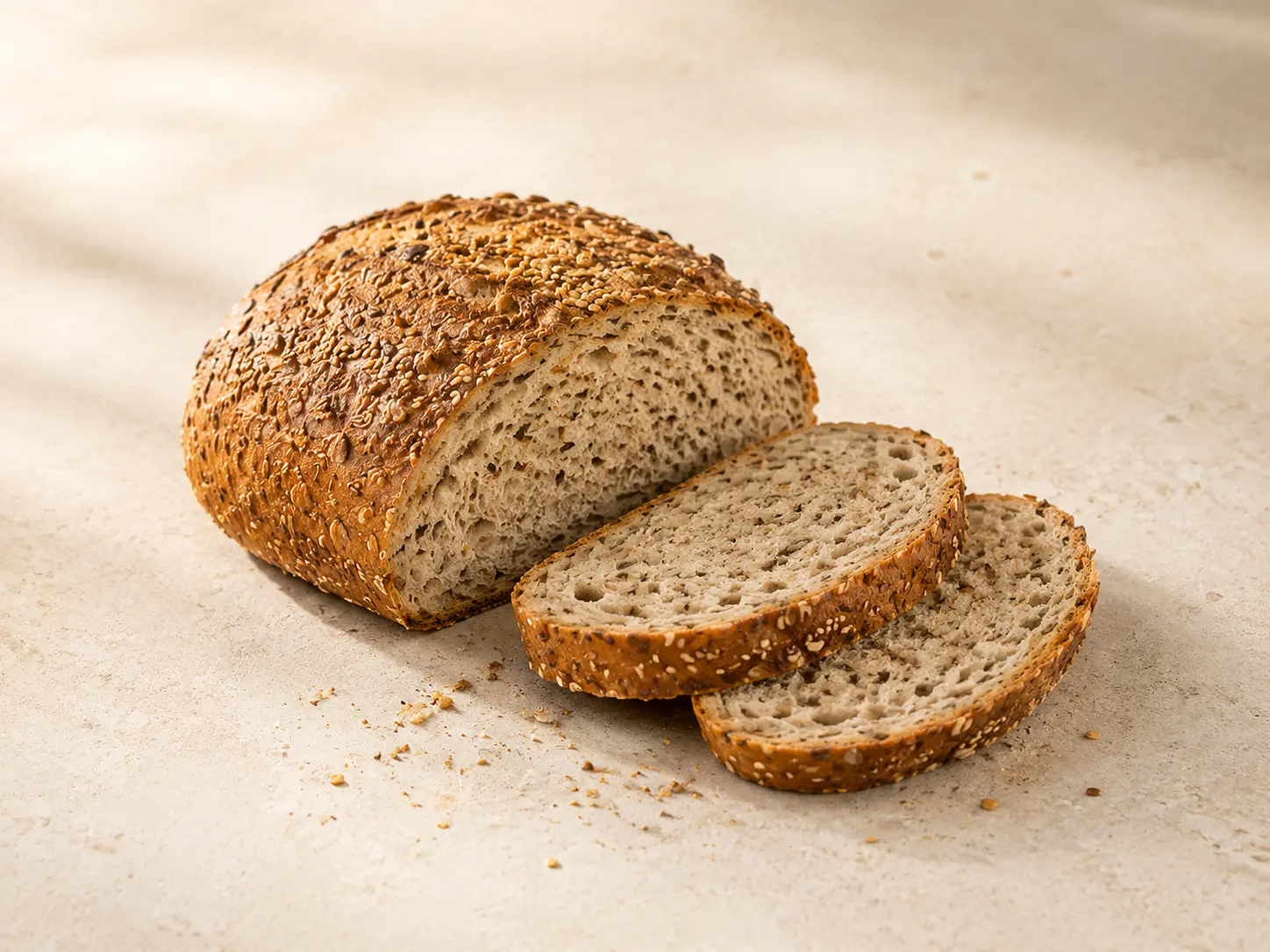
Problem 6: works in the laboratory, fails on the production line
Scale-up changes mixing energy and temperature, dividing, timing, shaping and oven conditions. Tolerance in a small dough batch does not guarantee production-line performance. Industrial validation is part of product development, not a later formality.
| Symptom | Variables to review |
|---|---|
| Low volume | Gluten, protein source, water and fermentation |
| firm crumb | Volume, hydration and structure |
| Sticky dough | Water, protein ingredient and mixing |
| Rigid dough | Hydration and extensibility |
| Vegetal aftertaste | Source, treatment and concentration |
| Problems on the production line | Tolerance, times and temperature |
What is the best protein?
There is no universal answer. The right choice depends on the nutritional objective, production line, cost, allergens and desired consumer acceptance. For the complete design process, see how to develop high-protein bread; for a different food matrix, see protein snack texture.
Diagnostic tree for the next test
Start by distinguishing where the defect appears. A bread that does not expand during fermentation requires a different observation of another that expands and collapses afterwards.
| Starting point | What to observe before correcting | Next appropriate trial |
|---|---|---|
| Rigid dough from kneading | Consistency and water distribution | Controlled hydration adjustment maintaining ingredients |
| Expands little | Gas evolution and extensibility | Comparison of structure and tolerance against control |
| Expands and loses shape | Time of loss of stability | Check fermentation and structure setting during baking |
| Good volume but dry crumb | Moisture and perception in the mouth | Sensory and texture assessment at equivalent times |
| Good initial result that deteriorates later | Change during storage | Compare packaged products throughout shelf life |
Record one hypothesis per trial and retain a control. There is no universal water or mixing adjustment that works for every protein. The industrial development guide places this troubleshooting within the wider project.
When a defect appears during storage, extend the trial using the shelf-life evaluation guide. This guide focuses on bread doughs; for a different food matrix, see developing protein cakes and muffins.
Protein Pan
Protein Pan is Mali Fibras Granados's mix to develop breads with high protein content. Its industrial application is adjusted with the manufacturer according to the target bread, without revealing the proprietary formulation here.