Protein and Bakery
Protein bakery products: opportunities beyond sports nutrition
Breakfast bread, sandwiches and savoury snacks can include protein without using gym-focused messaging. Formats and criteria for marketing, innovation and R&D.
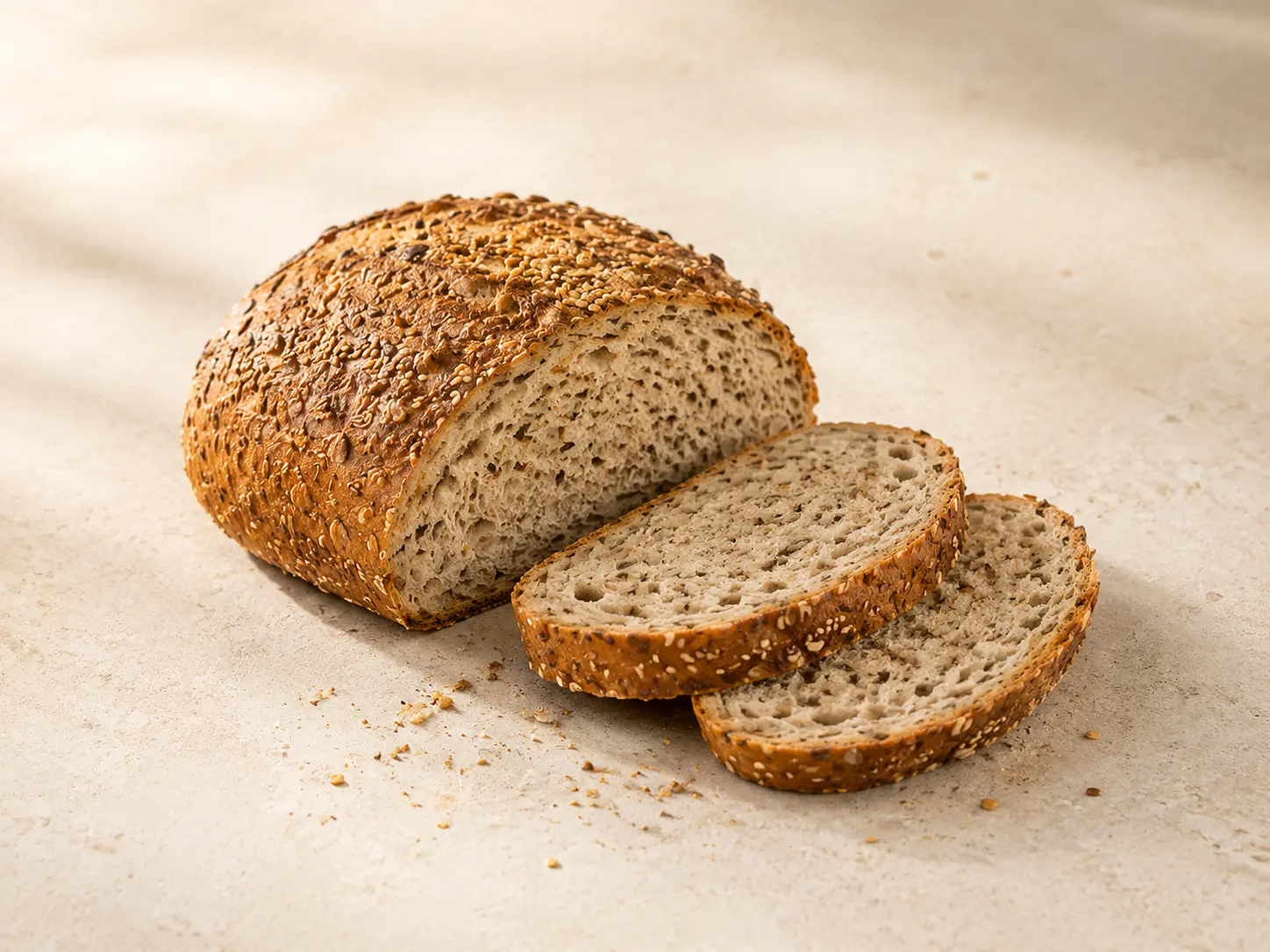
Protein no longer needs to be sold using sports-nutrition conventions. It can be incorporated into breads and snacks that remain familiar everyday foods: breakfast, sandwiches, food on the go or appetisers. For a manufacturer, the opportunity goes beyond adding grams of protein; it is to offer a format people want to buy again.
In its global 2026 Bakery analysis, Innova Market Insights indicates that 31% of respondents consider protein content when choosing bread. It is a sign of interest in the category, not a forecast sale of protein bread in Spain nor a figure applicable to all buyers.
In summary
- Positioning can shift from ‘bread for training’ to ‘daily bread with more protein’.
- Breakfast, sandwiches, bread rolls and savoury snacks serve different occasions.
- Taste, texture, price and convenience matter next to the nutritional attribute.
- “source of protein” and “high protein” have different European thresholds; they are verified in the finished food.
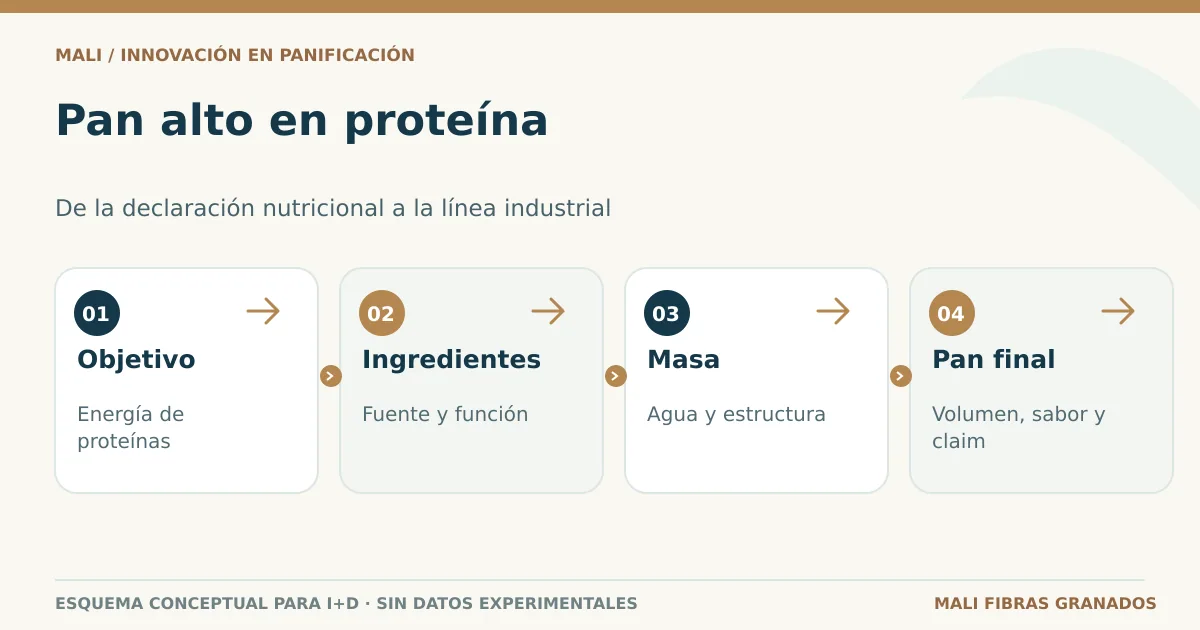
- Protein Pan is related to protein breads and Protein Snacks with baking formats of convenience.
What changes when protein enters the daily bakery
A consumer looking for bread for his breakfast or snack keeps comparing it to the bread he already buys. If the crumb is too firm, the taste is far from expected or the format is not practical, the claim may not be enough. For Marketing and R&D, briefing should start by occasion, channel, and consumption experience, not just by the protein percentage.
This does not mean that the sports audience disappears. It means that the repertoire of possible occasions is expanded and that not all developments have to use the same tone, packaging or sensory profile.
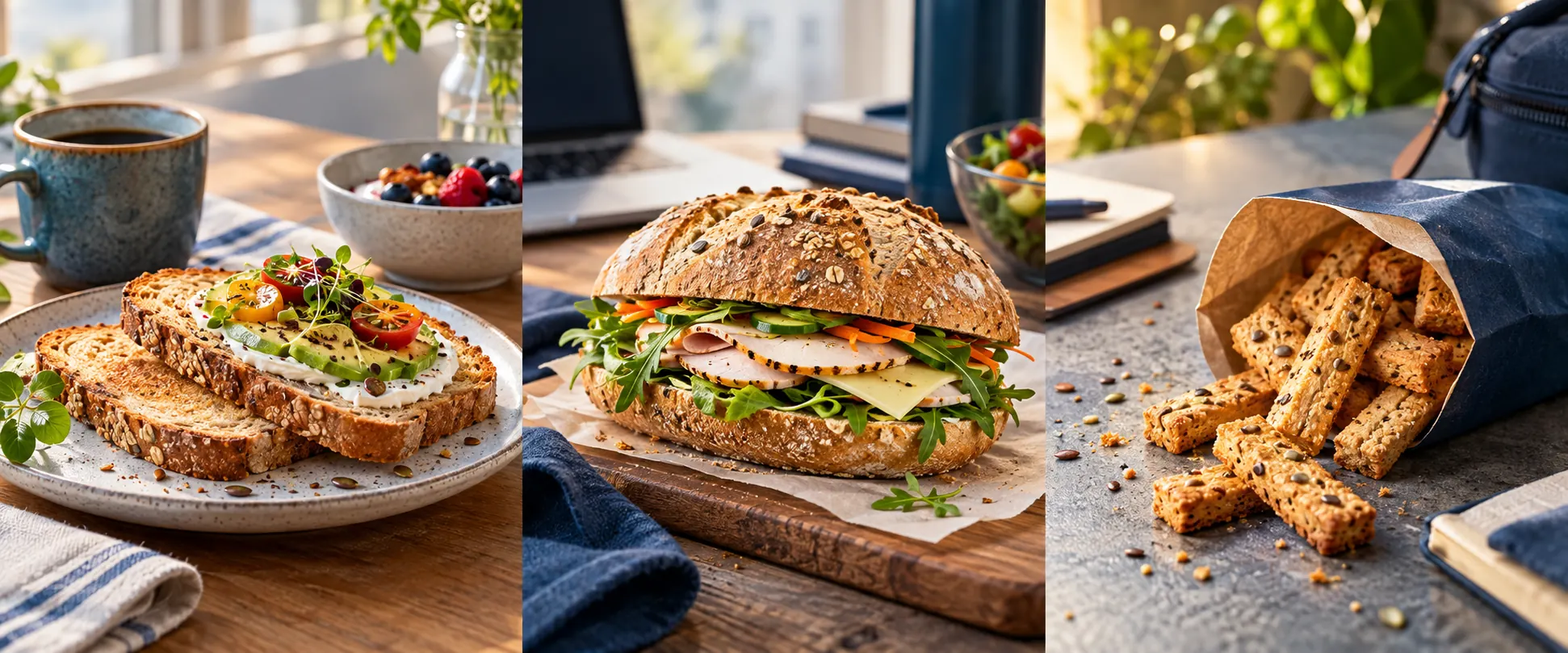
Five product territories
Bread for daily consumption
The aim is a bread that fits into everyday breakfasts and meals, without requiring a sporting occasion. In this format, slicing, volume, flavour and storage performance must suit actual use. Protein Pan is the Mali Fibras Granados solution for this area.
Single rolls
Unit size can help organise the range, portion and communication. “Protein per unit” must be calculated and checked; it does not replace the legal conditions for “source of protein” or “high protein”.
sliced bread and breakfast
A protein sliced bread should solve toast, tenderness and shelf life in addition to the nutritional profile. If it is aimed at a daily consumer, it is not appropriate to tolerate texture problems just because it reaches a higher number on the label.
Savoury baked snacks
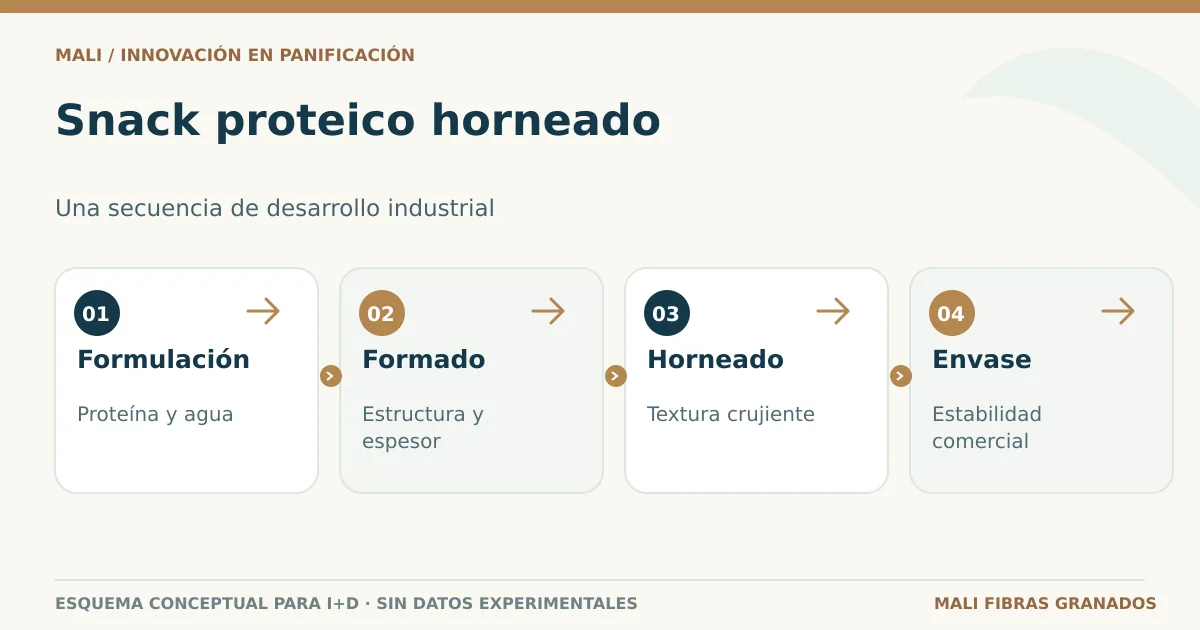
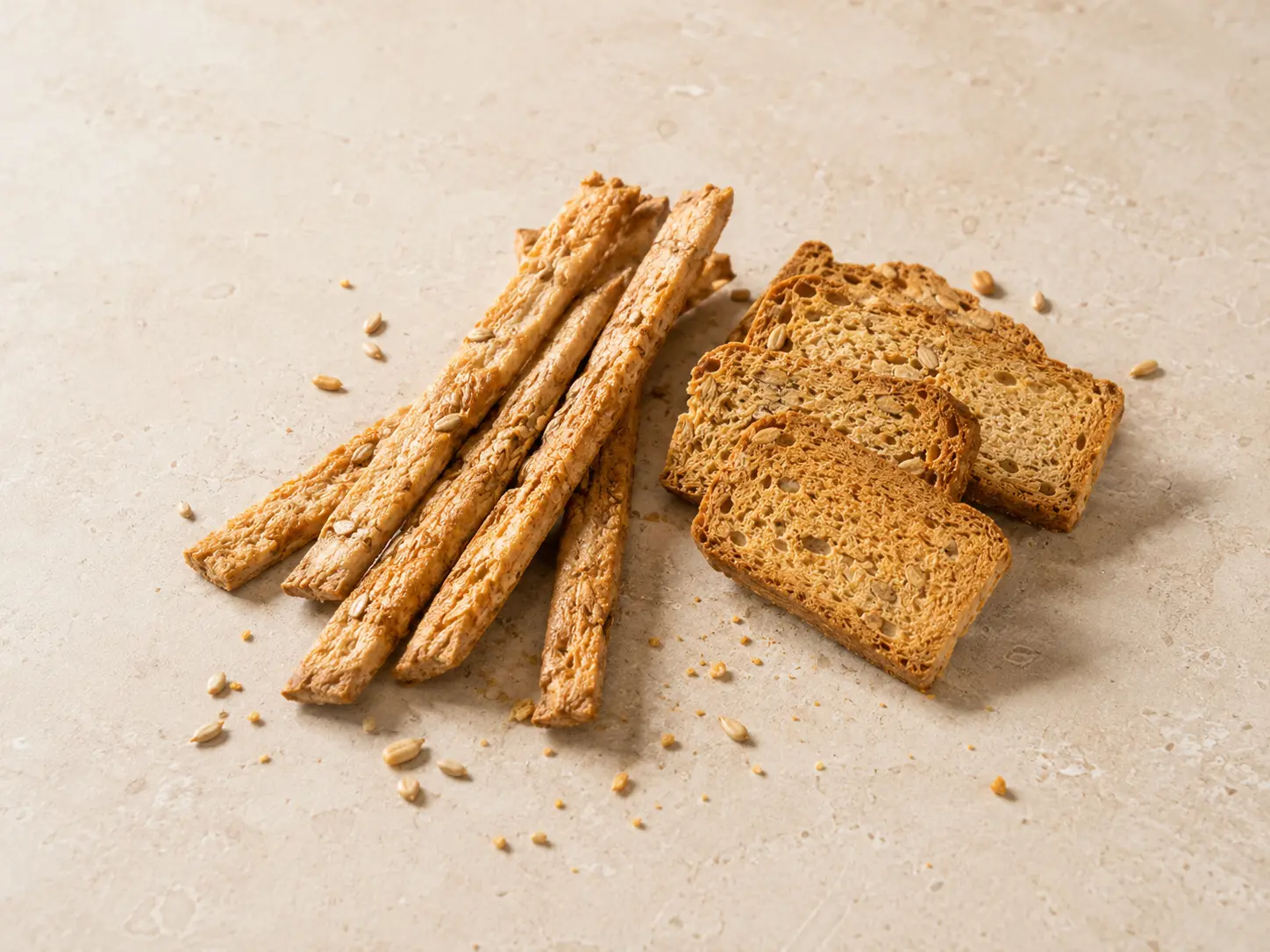
Crackers, breadsticks and bites can bring protein into snacks and convenience occasions without copying sweet bars. They require a different technological approach from bread: to develop them, review how to formulate a baked protein snack and the Protein Snacks mix.
Combinations with fibre or whole grains
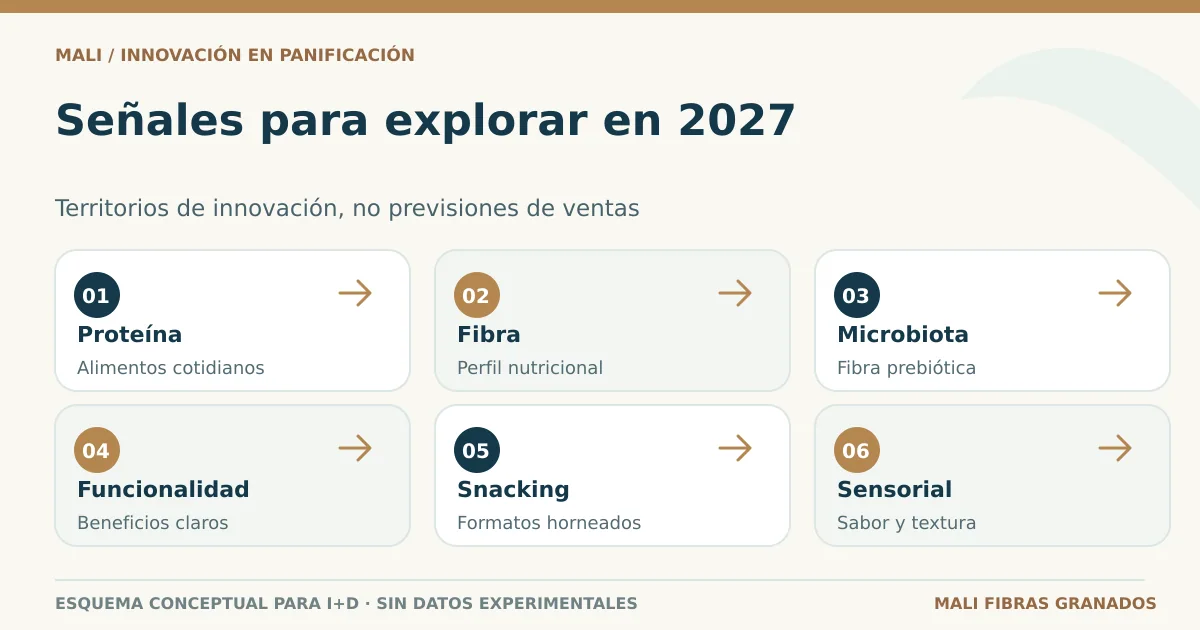
Protein can coexist with other attributes, but too many messages can make the proposition unclear. Choose a main benefit and verify that the others also meet their conditions. One nutrition claim does not replace another.
| Occasion | Format to explore | Acceptance criterion |
|---|---|---|
| Breakfast | Bread slice or sliced loaf | Toasting, softness and flavour |
| Regular meal | Bread or sandwich | Volume, Crumb and Versatility |
| Outside the home | Bread roll | Portion and comfort |
| Appetizer | Cracker or stick | Crunch and shelf life |
Occasional map
The protein attribute can live in four moments
- BreakfastRoasted and sliced bread
- FoodDaily bread and snack
- Out of the house.Individual bread roll
- AppetizerCracker and baked stick
They are formatting hypotheses: channel, price and acceptance must be checked with real consumers.
Translate the occasion into the supermarket assortment
A proposal for a supermarket needs a specific reference, a sales unit and a reason to incorporate it into the assortment. These are examples of application to contrast with the buyer, without attributing already proven sales or acceptance to them.
| Reference to explore | Daily use | Decision for the manufacturer |
|---|---|---|
| Packaged protein sliced bread | Sandwich and toast | Softness, strength, thickness and shelf life |
| Individual protein bread | Sandwich on the go | Unit weight, shaping and convenience |
| Protein bread without visible seeds | Daily bread with a more neutral appearance | Crumb and flavour according to the chosen audience |
| Crackers or protein breadsticks | Savoury appetiser | Crunch, serving and packaging protection |
Compare the references of retail shelf using the same criteria: composition per 100 g, portion weight, format, sensory experience and price per comparable unit. The review serves to define briefing; it does not allow to know by itself the rotation of each product.
To turn a sliced-bread format into a project, see how to develop high-protein, high-fibre sliced bread for supermarkets. Protein Pan Sin Semillas offers a starting point for an appearance without visible seeds; the final format is validated with the manufacturer.
Protein source or high protein content?
In the EU, “source of protein” requires at least 12% of the food’s energy value to come from protein; “high protein” raises that minimum to 20%. These are not thresholds in grams per 100 g. Quality must check the final product’s composition and energy before deciding which message can be used.
Not every project needs to pursue the same claim. The chosen nutritional objective affects ingredient types and quantities, water absorption, processing and sensory results. For this technical work, see how to develop high-protein bread at industrial scale and plant proteins in bakery applications.
The barrier that decides the repeat purchase
Enrichment with plant proteins can change available water, the gluten network, volume, firmness and flavour. The effect differs between soya, pea and wheat, and between isolates and concentrates. Rather than assuming that “more protein” means a “better product”, test acceptance, shelf life and production-line performance. If the crumb becomes dense or dry, see the protein bread troubleshooting guide.
Marketing and R&D must define the same bread
The message can be simple — for example, ‘high protein’ if the food meets the criterion — while the product retains a recognizable bakery experience. Avoid extrapolating the data from an international survey to your specific clientele: the channel, the occasion, the price and the brand will determine which reference makes sense to launch. A consumer test and industrial validation are worth more than an abstract promise of trend.
Two solutions according to the format
Protein Pan is developed for high-protein breads; Protein Snacks is designed for baked protein snacks. Mali Fibras Granados works with each manufacturer on the specific application without publishing confidential formulations, dosages or conditions. Explore Protein Pan, discover Protein Snacks or tell us what you want to develop.
Contrast an occasion before expanding the range
The same protein proposal may need different formats depending on the channel. It uses concept and product tests to separate declared interest from actual acceptance.
| Occasion | Format hypotheses | What to verify |
|---|---|---|
| Domestic breakfast | sliced bread or toast | Taste, conservation and price per use |
| Food on the go | Individual bread roll | Portion, comfort and endurance |
| Appetizer | Cracker or stick | Crunch, flavour and reason for choice |
International data on interest in protein does not, by itself, identify the buyer in your channel. Define the audience first, then use the industrial protein bread guide to turn the concept into specifications.
For an opportunity in breakfast or sweet snacks, the guide to developing protein cakes and muffins explains how to assess nutritional profile, batter, texture and scale-up for that application.
From the occasion of consumption to reformulation
Once the audience and format have been chosen, decide what to improve in the product. The protein bread reformulation plan for 2027 explores decisions about protein plus fibre, texture, alternative sources and cost. For a brief aimed at adults and older people, see also healthy ageing and bakery.