
Bread and nutrition · Everyday guides
How to eat more fibre every day with seven simple changes
To consume more fibre every day, combine pulses, fruit, vegetables, whole grains, nuts and seeds, and gradually introduce changes. Reviewing breakfast bread or snack bread is a practical first step: you can add fibre by changing the type of bread, without necessarily increasing the amount you eat.
If you eat toast or sandwiches, it is worth taking a closer look at your bread. At Mali Fibras Granados, we suggest breads made with Fibra Verde or Prebiomix to add fibre to this everyday habit. Here you can see how to combine them with other plant foods and calculate what a portion provides.
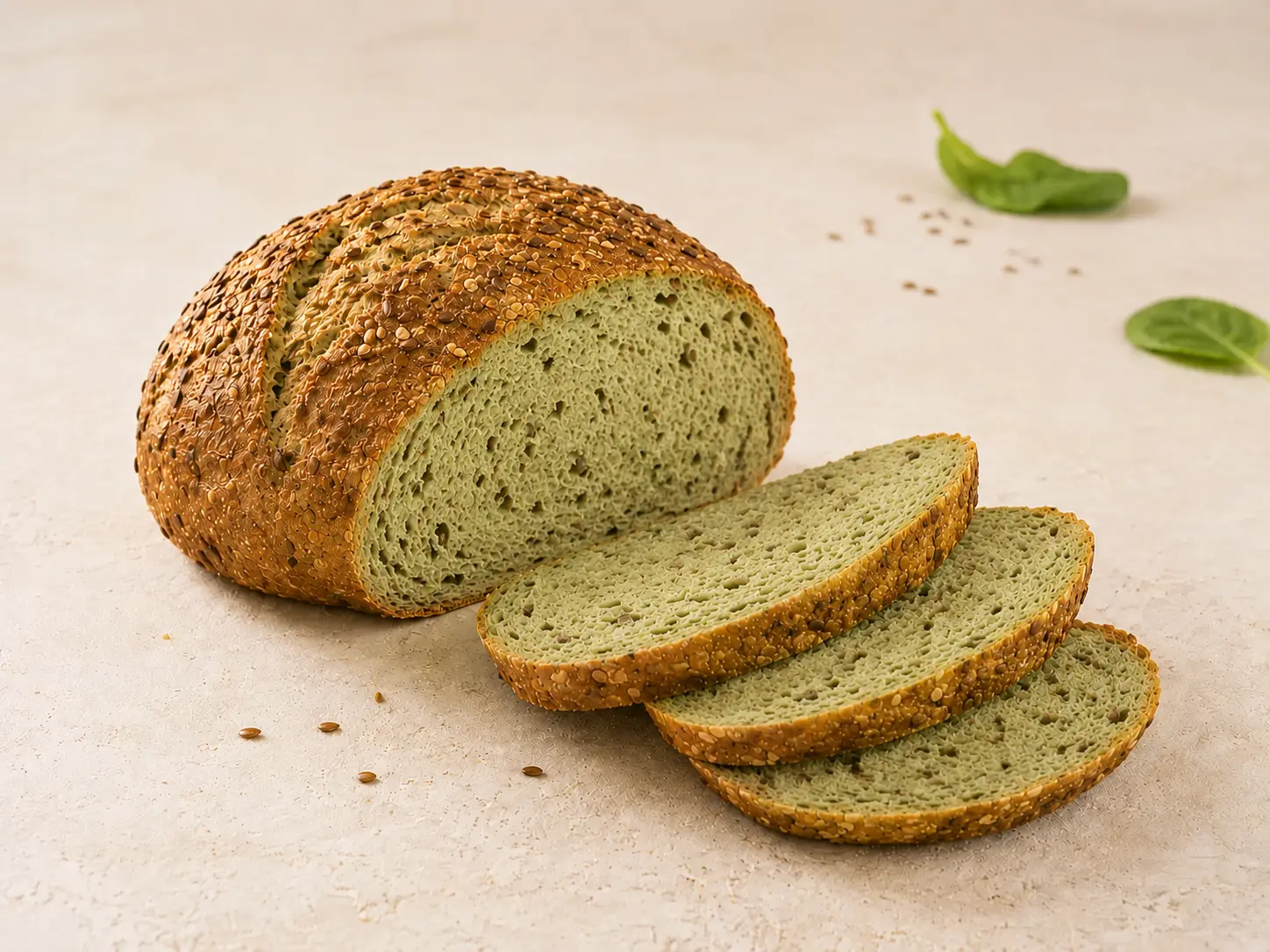
Fibra Verde · Image of the finished bread published by Mali Fibras Granados. Appearance may vary with production.
How much fibre do we need each day?
The European Food Safety Authority considers 25 grams of fibre daily adequate for normal bowel function in adults. This is a reference for the whole diet, not an amount to obtain from a single product. EFSA reference.
Bread can contribute to daily fibre intake alongside other plant foods. For its functions and different types, see what dietary fibre is and why it matters. Here, we focus on bringing it into your meals.
Seven simple ways to eat more fibre
Review your toast. Check the fibre content of your usual bread and try a wholemeal or high-fibre alternative you enjoy. Keeping your breakfast routine while changing its base can be an easy start.
Keep ready-to-use pulses available. A jar of chickpeas can become a salad, accompany vegetables or make hummus. You do not need time to cook a stew.
Give vegetables a regular place. Add them to dishes you already make: courgette in pasta, vegetables in an omelette or a salad alongside a meal.
Choose whole fruit regularly. Keep it handy for breakfast, dessert or a snack. If the peel is edible, wash the fruit well and eat it with the peel.
Try other wholegrains. Alternate brown rice or wholemeal pasta with your usual choices. You do not need to change the entire cupboard at once.
Add nuts to simple meals. A handful without salt can accompany a yogurt, salad, or piece of fruit.
Make the habit easy to repeat. Freeze bread in slices, keep cooked pulses available and leave fruit in sight. A habit is easier when the option is ready.
These changes are in line with the recommendations of AESAN on healthy eating, which prioritize plant foods and whole grains.
Three breakfasts to incorporate fibre
Adapt these combinations to your appetite and usual breakfast:
| If you prefer... | A combination to try |
|---|---|
| Toast | Bread made with Fibra Verde, tomato and olive oil, with a piece of fruit. |
| A bowl | Oats with plain yoghurt, fruit and a few nuts. |
| A savoury breakfast | Bread made with Prebiomix, hummus and cucumber or tomato. |
In the bowl, fibre comes from oats, fruit and nuts. For toast or sandwiches, count both the bread and its accompaniments. These are meal ideas, not menus with a fixed fibre content: that depends on ingredients and quantities.
How much a high-fibre bread can add
Rather than judging bread by appearance alone, ask about its grams of fibre and the weight of your usual portion.
For example, our reference recipe for bread made with Fibra Verde provides 9.4 g of fibre per 100 g of bread. A 50 g portion would provide 4.7 g: approximately 19% of the daily 25 g reference.
This is a calculation example, not a recommended portion for everyone. The Fibra Verde figures refer to the reference recipe; check the information for the particular bread your bakery makes, as its composition may vary.
What does your portion provide?
Calculated with the reference recipe of Fibra Verde. It's an estimate, not a recommended ration. Check the composition of your bakery bread.
The practical advantage of high-fibre bread is there: it can help you add fibre into a meal you already enjoy. Continue to accompany it with other vegetable foods throughout the day.
How to increase fibre gradually
Going from little fibre to a large amount overnight can cause gas or bloating. Introduce changes gradually and maintain adequate hydration. The Catalan Food Safety Agency recommends progressively increasing vegetables and wholegrain foods.
You could begin by changing your breakfast bread, then introduce another change once you are used to it. If you have medical instructions to limit fibre, adapt these ideas with the professional caring for you.
How to choose the bread for this change
First compare grams of fibre per 100 g, then calculate the contribution of your usual portion. For the differences between wholemeal, multigrain and high-fibre bread, see which bread is healthier and how to choose one with more fibre.
Ask your trusted bakery
Would you like to find more high-fibre breads where you usually shop? Tell your bakery.
At Mali Fibras Granados, we make mixes such as Fibra Verde and Prebiomix, with chicory root fibre, so bakeries and manufacturers can develop these breads. Each professional makes the finished bread.
You can show them this message:
You can also transfer the proposal to your supermarket customer service. Telling which product you are looking for and in which store you would like to find it makes your request more concrete.
More options in your bakery
Share this guide with your bakery or supermarket and tell them what bread you would like to find.
Contact Mali Fibras Granados for your bakery →